| YEAR | 2022 |
| LOCATION | La Libertad – PERÚ |
| TYPOLOGY | Urbanism |
| AREA | 700,000.00 M² |
| CLIENT | Los Portales |
| AUTHORS | 404 ARQUITECTURA Nomena Arquitectura |
| TEAM | Israel Ascarruz Diego Bullón Boro Fleischman Diego Franco Diego Hernández Hector Loli Jorge Sanchez |
| STATUS | Delivered |
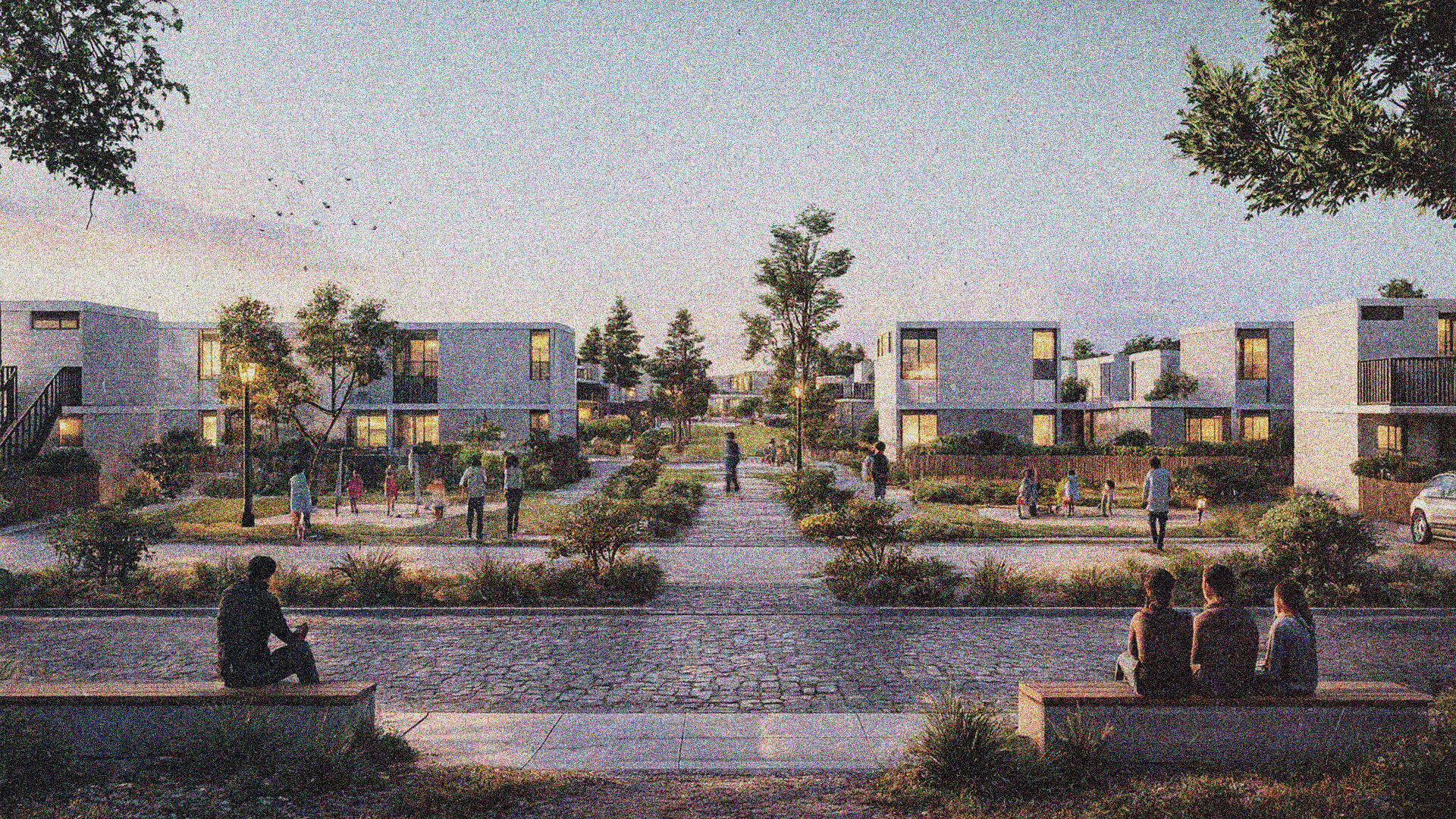
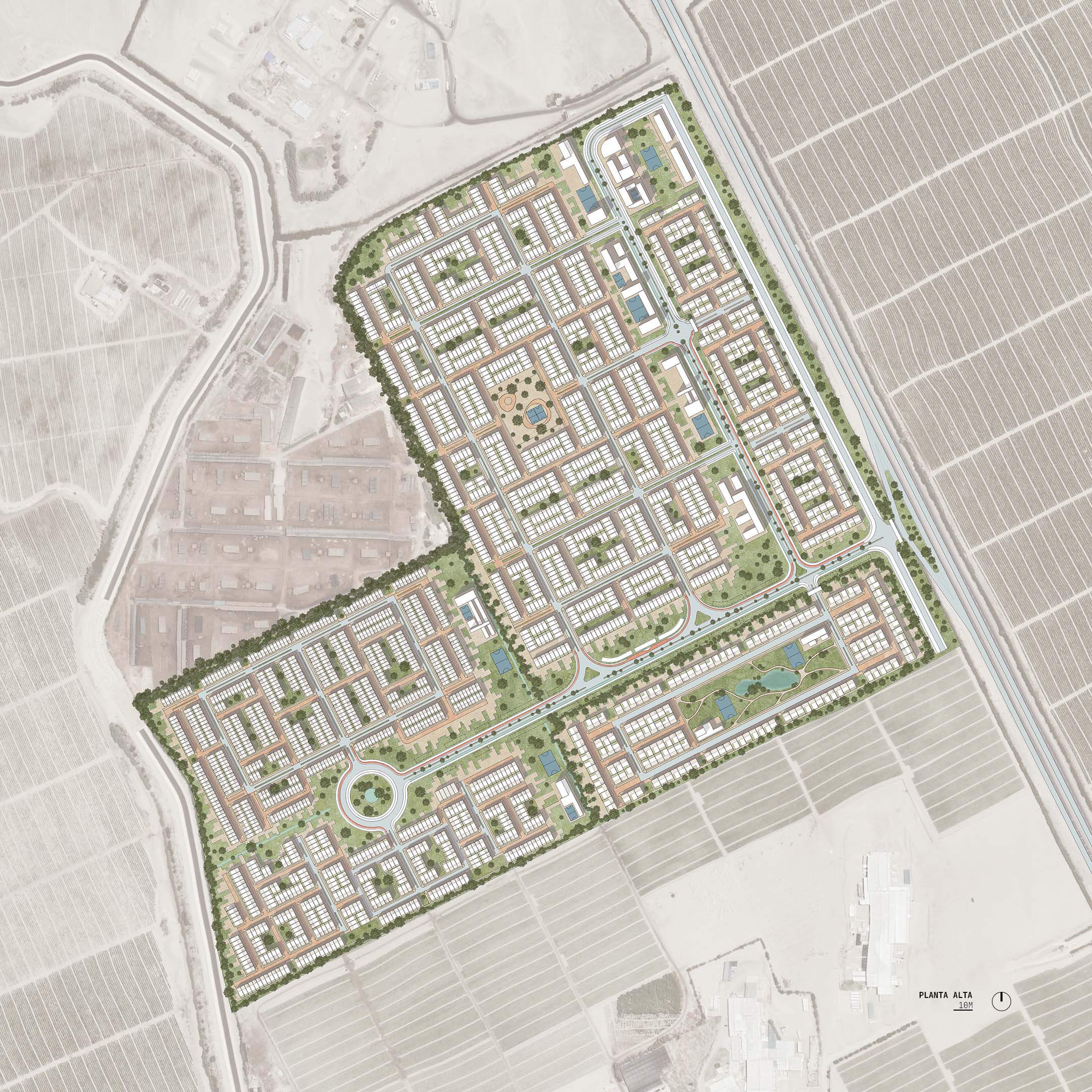
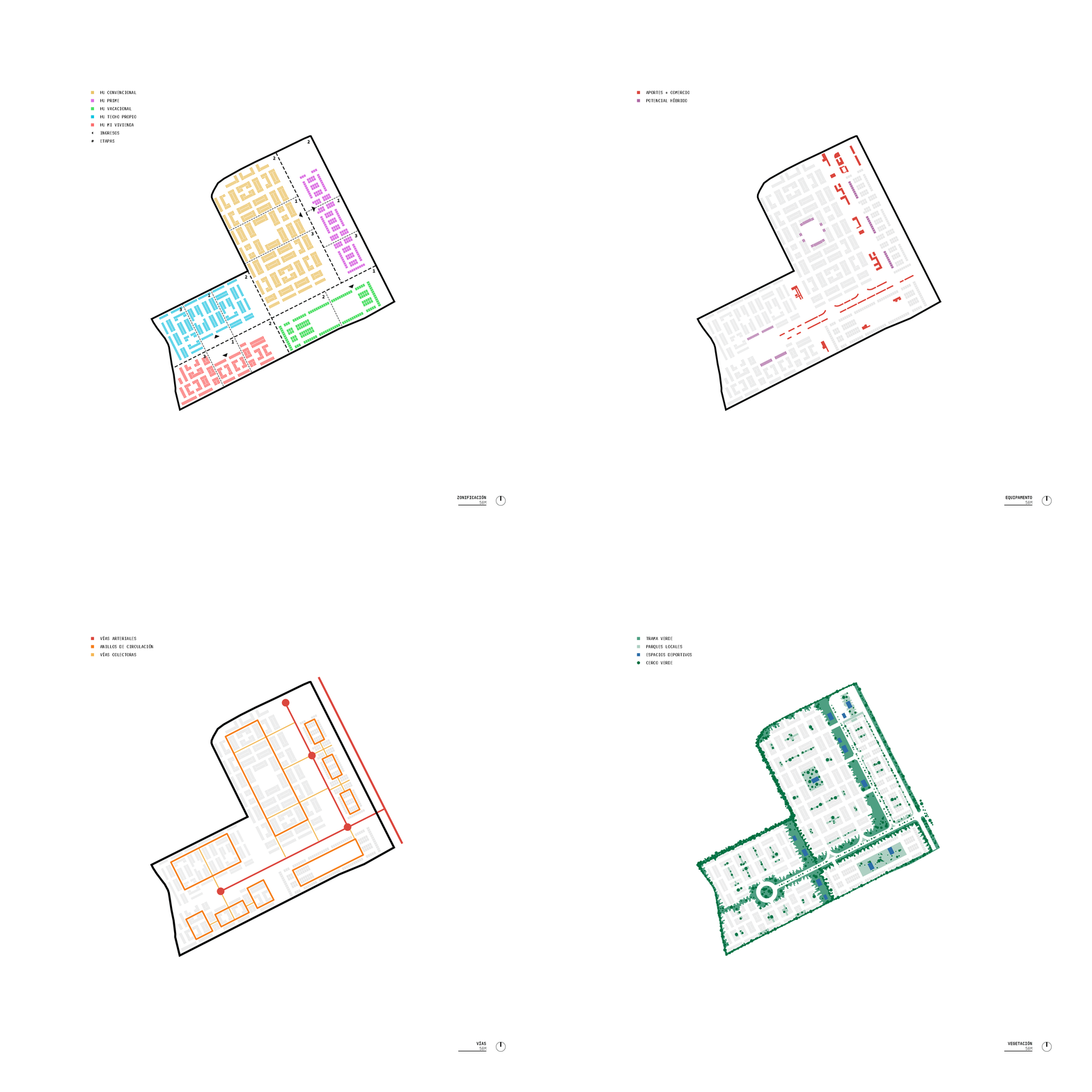
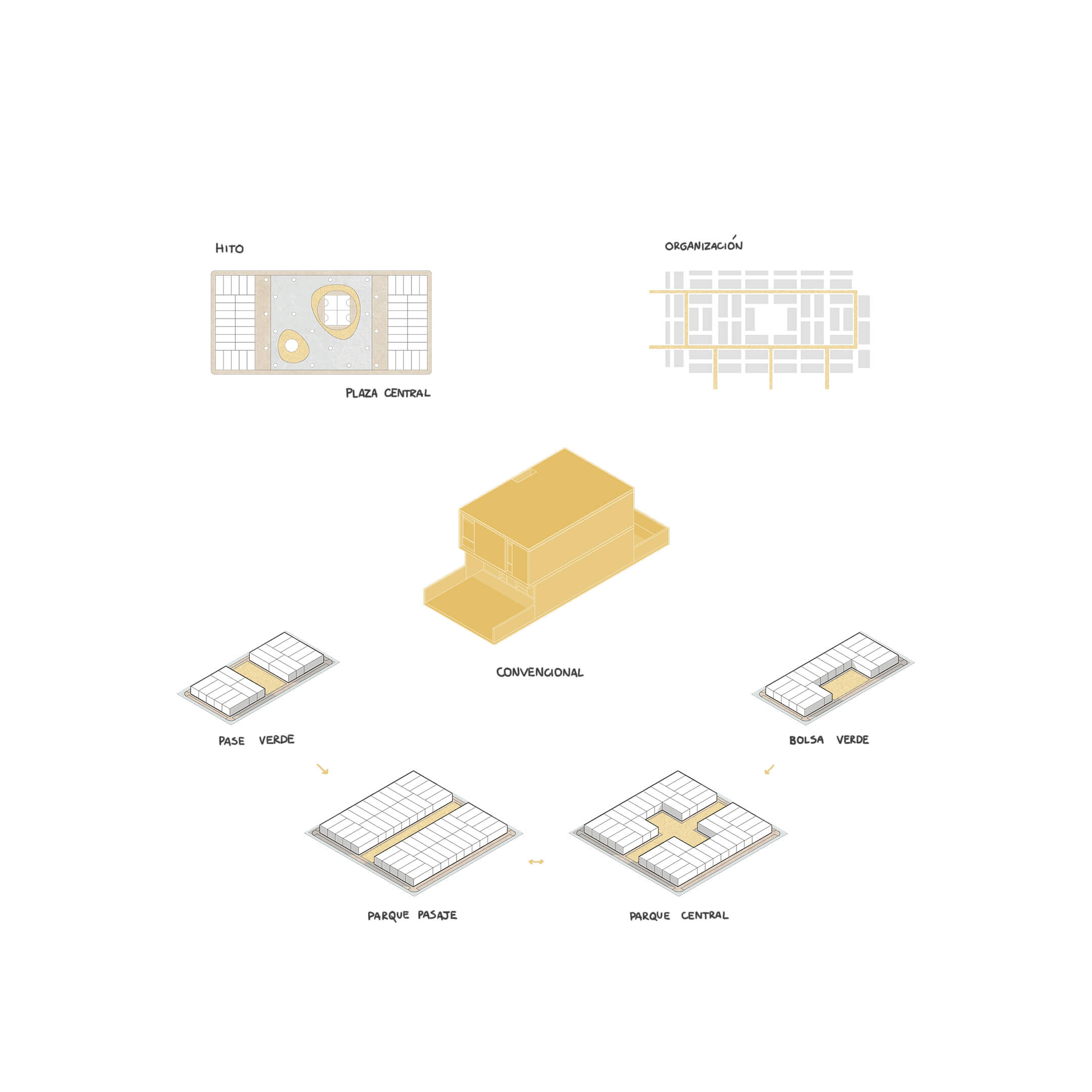
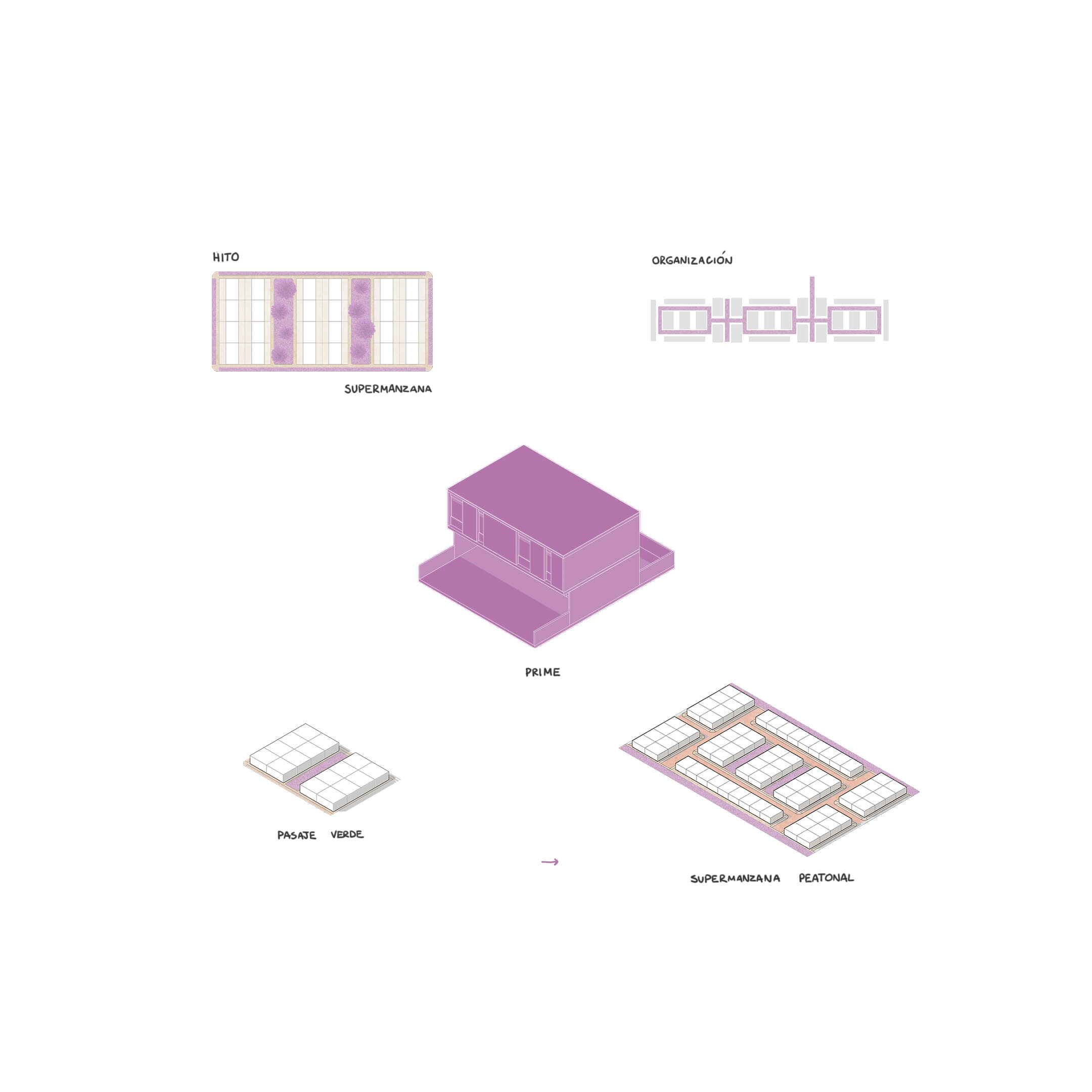
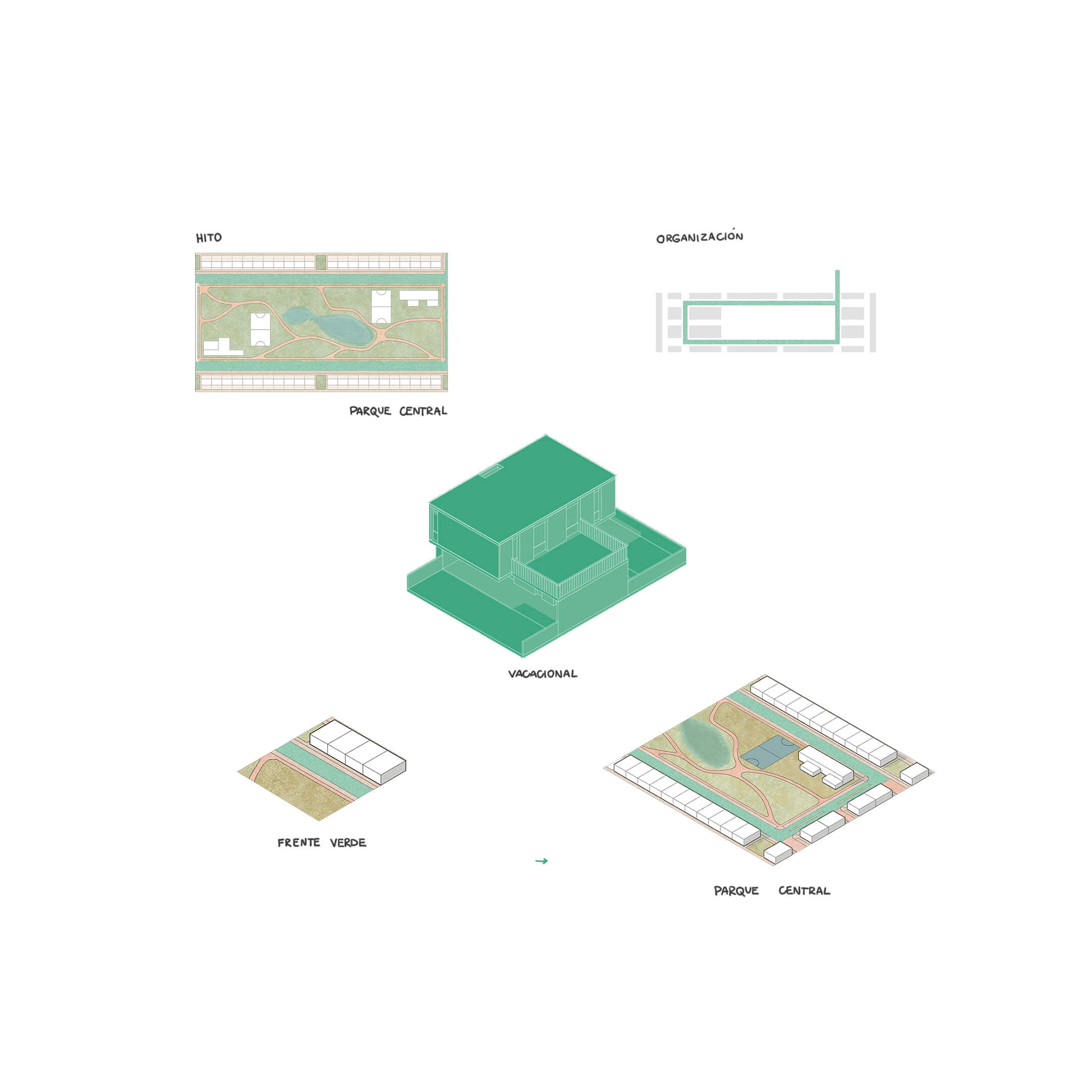
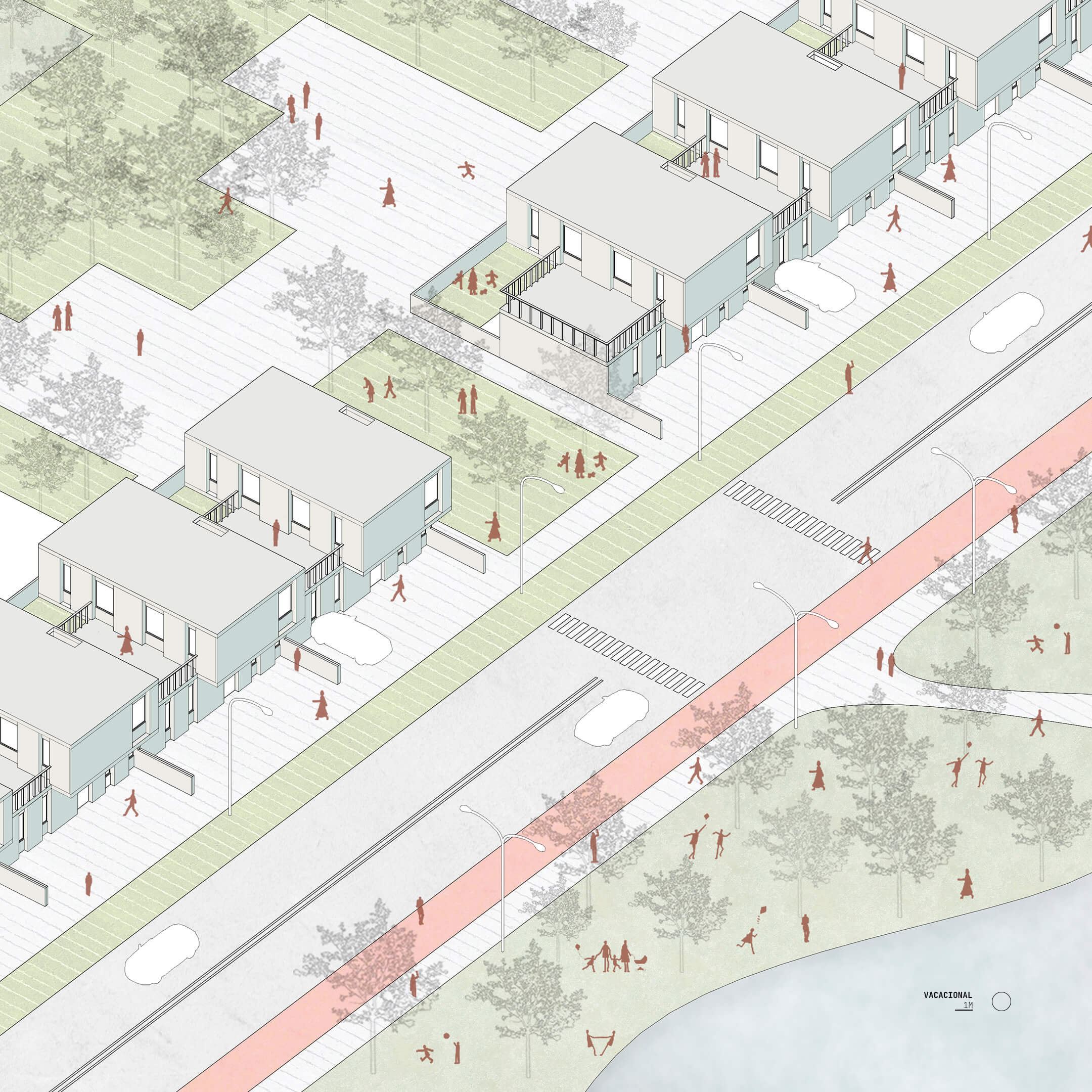
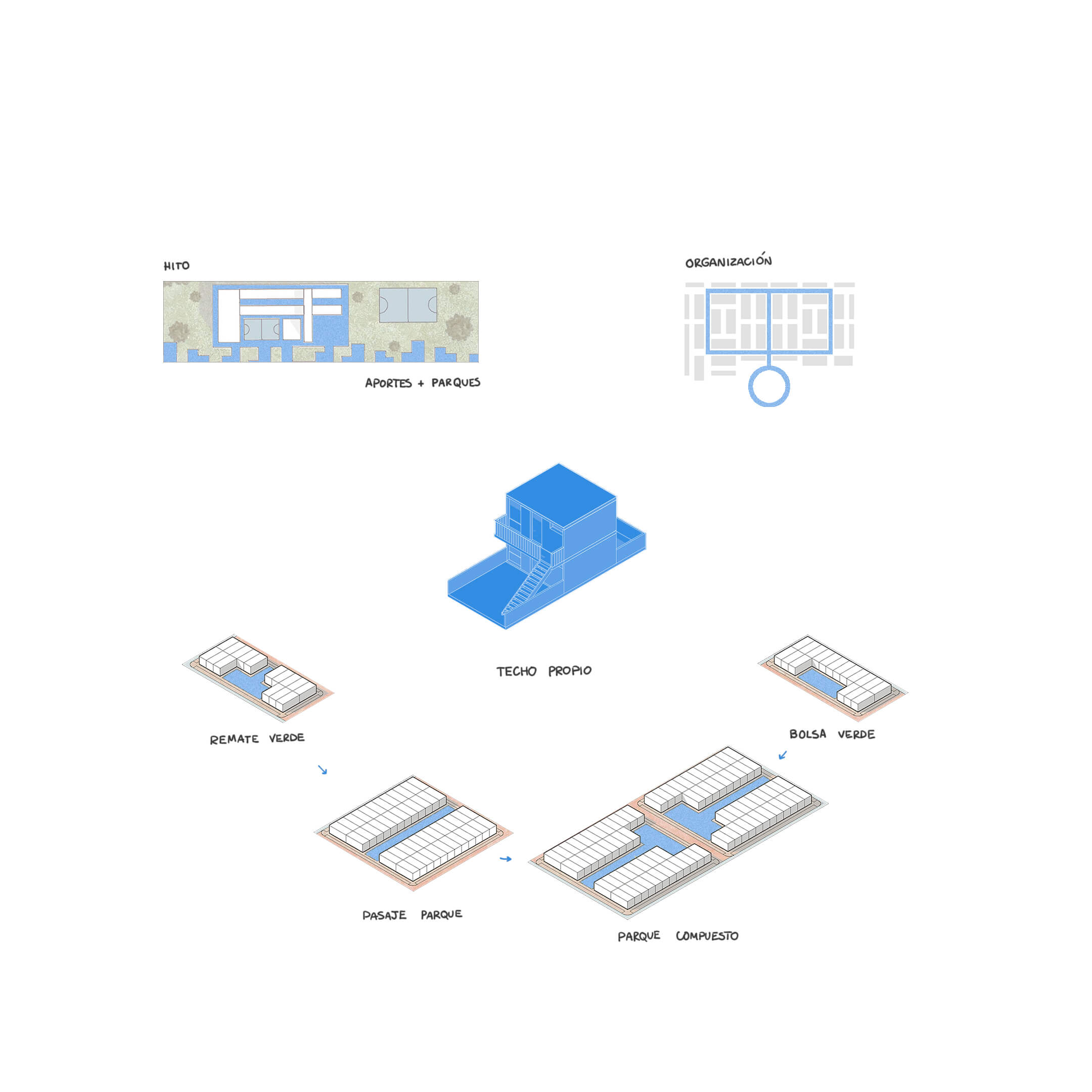
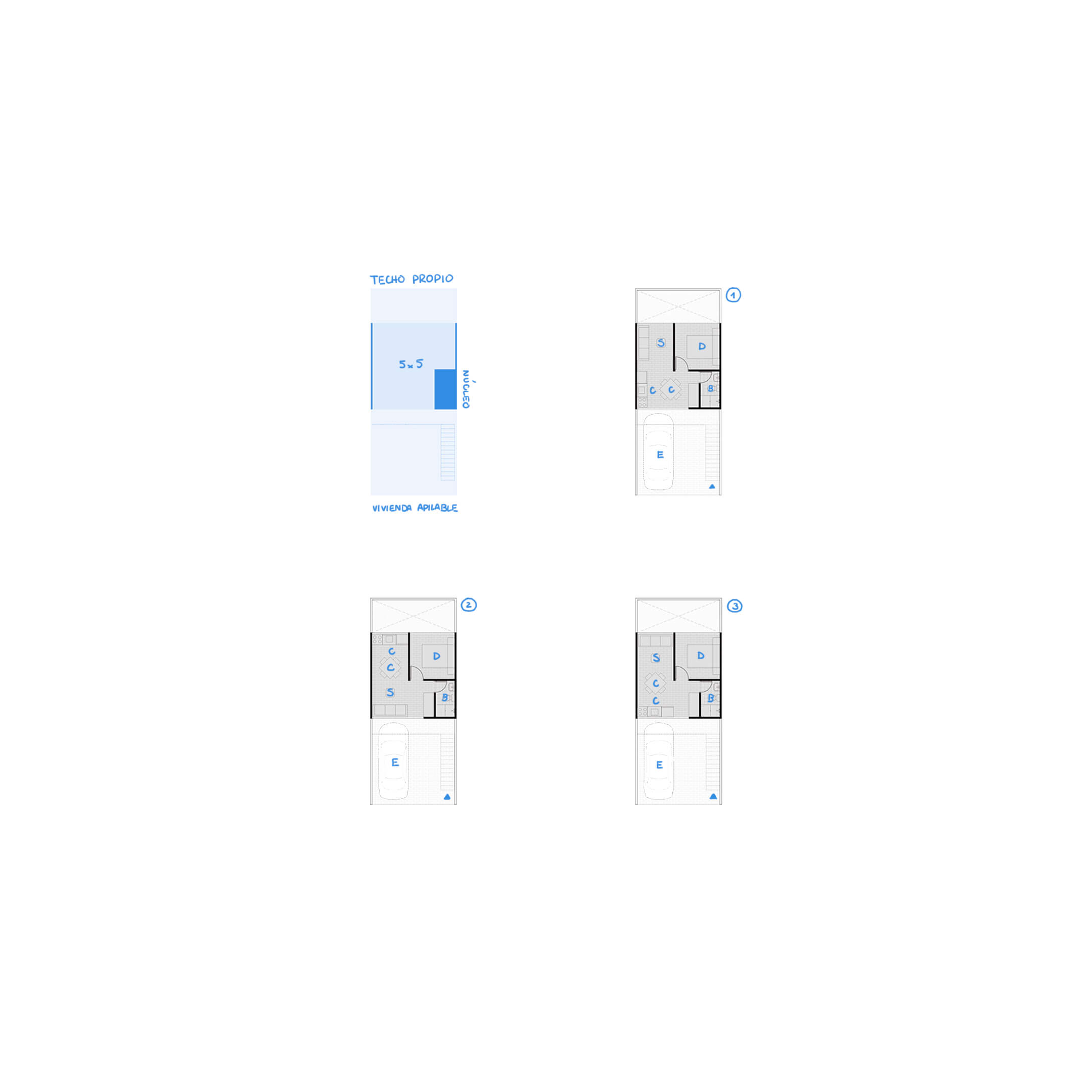
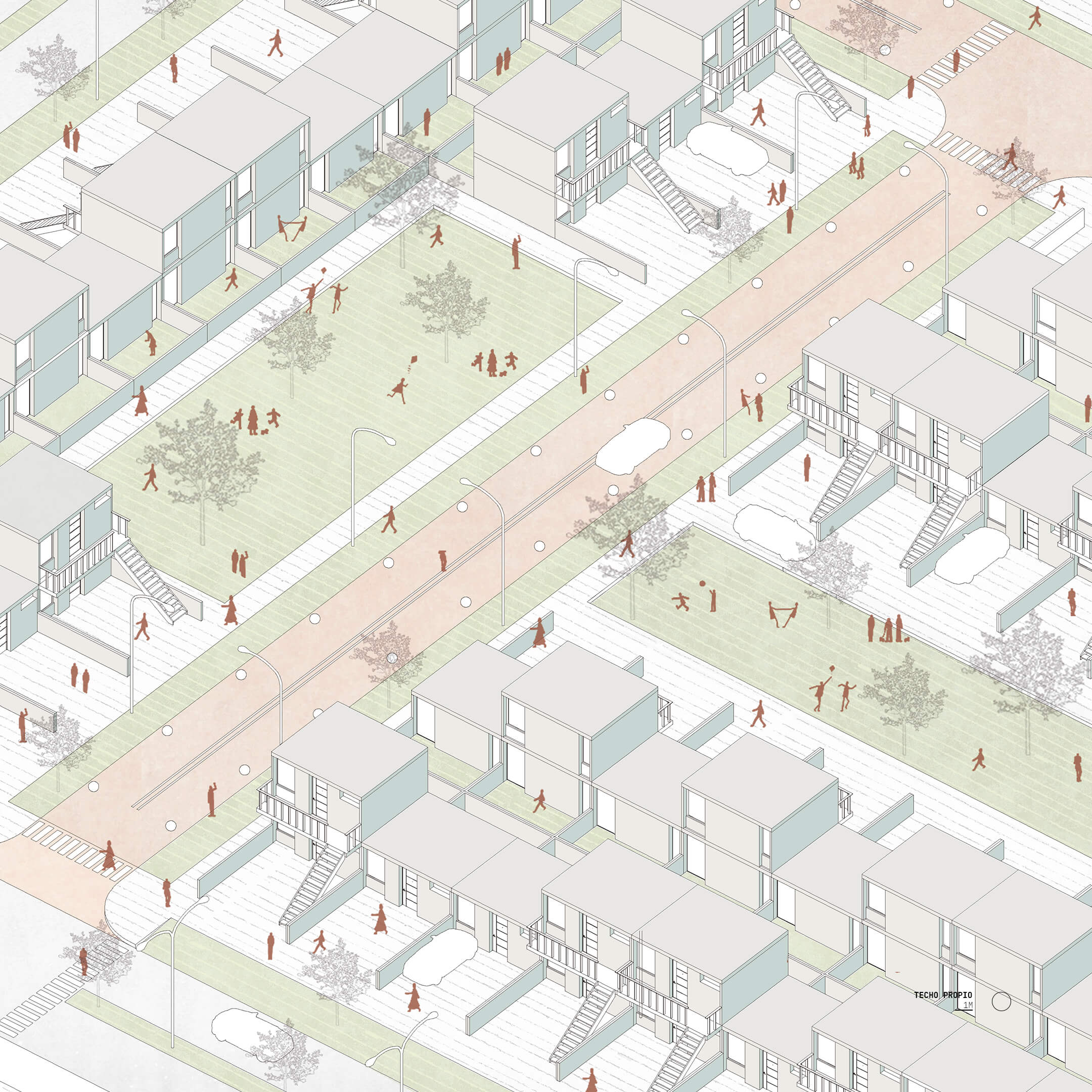
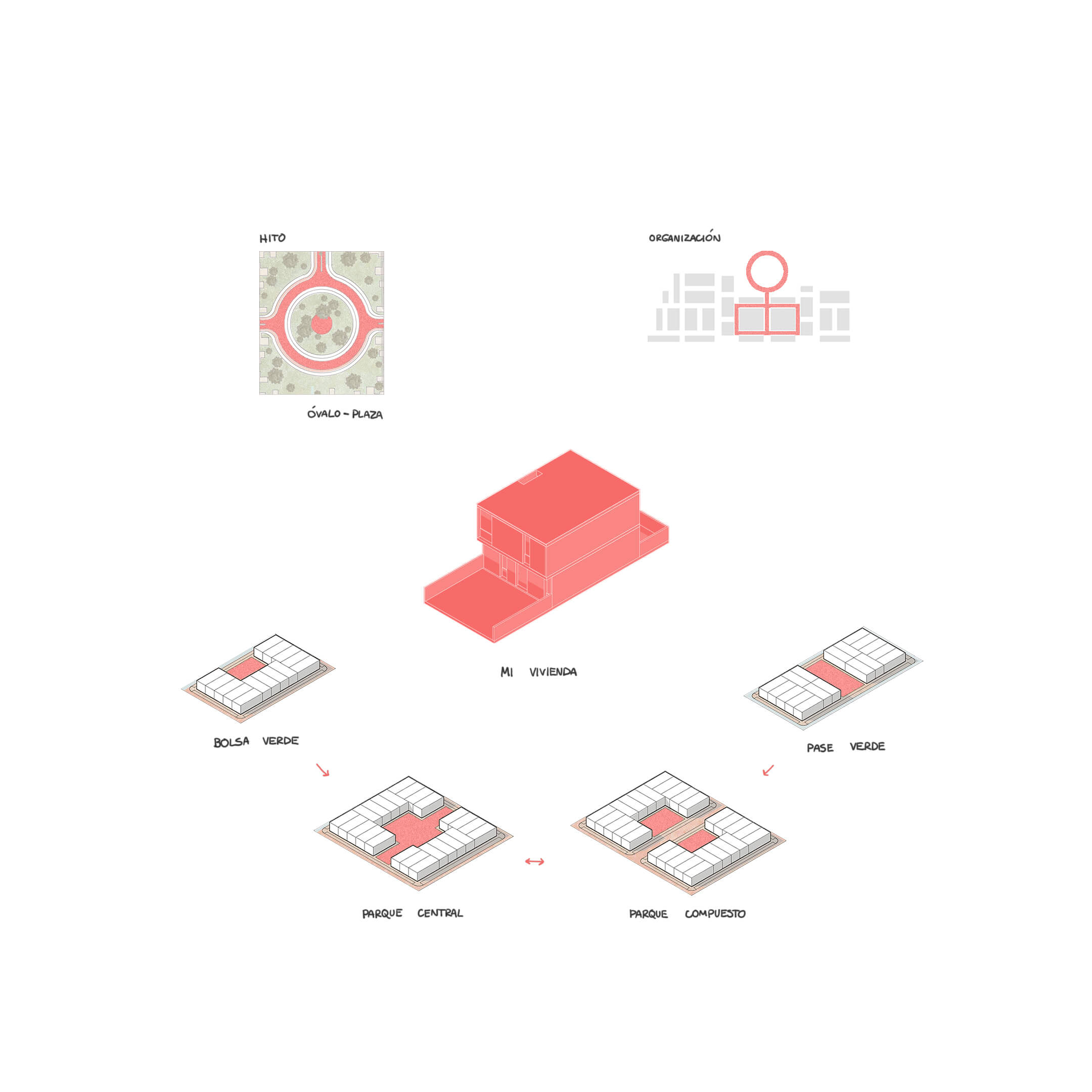
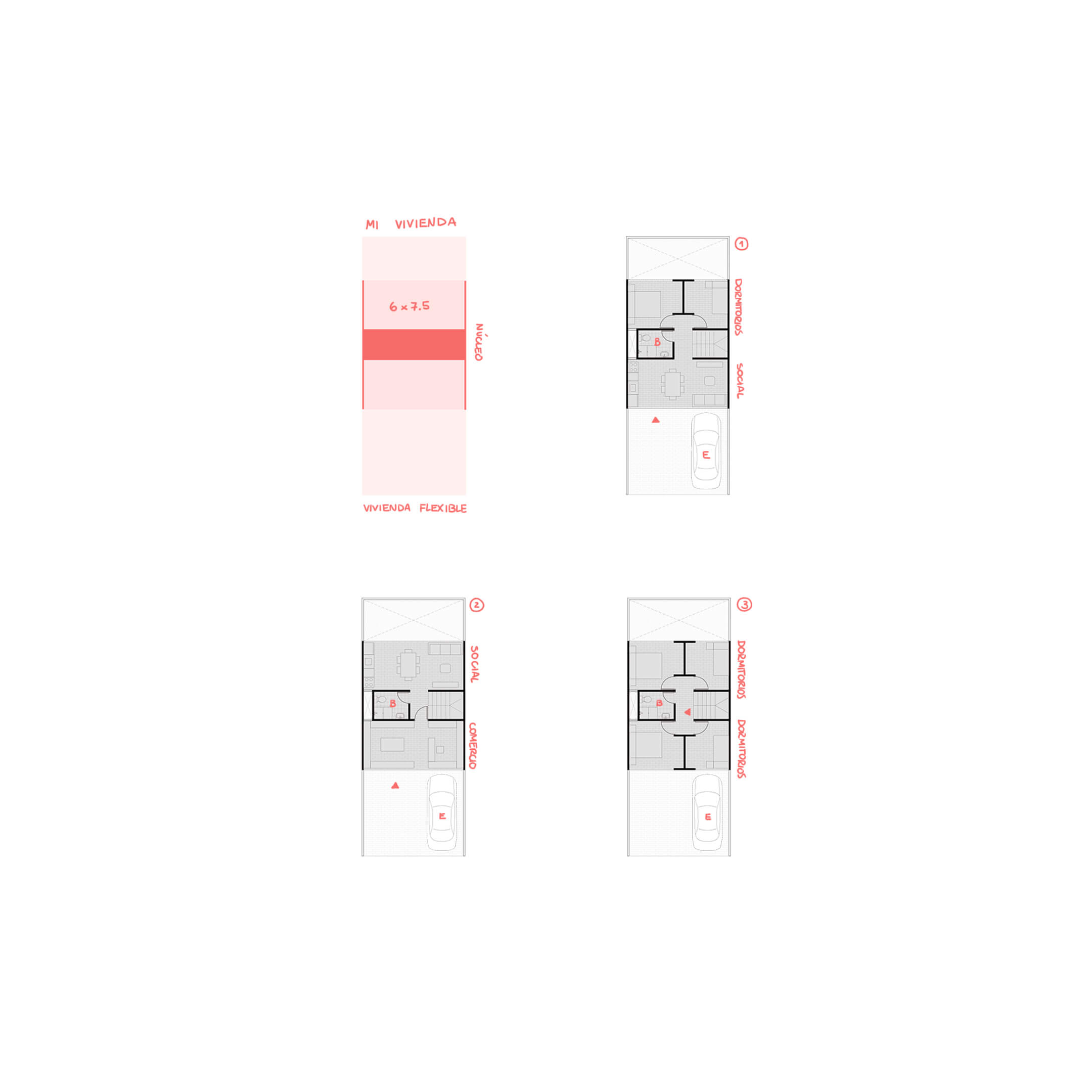
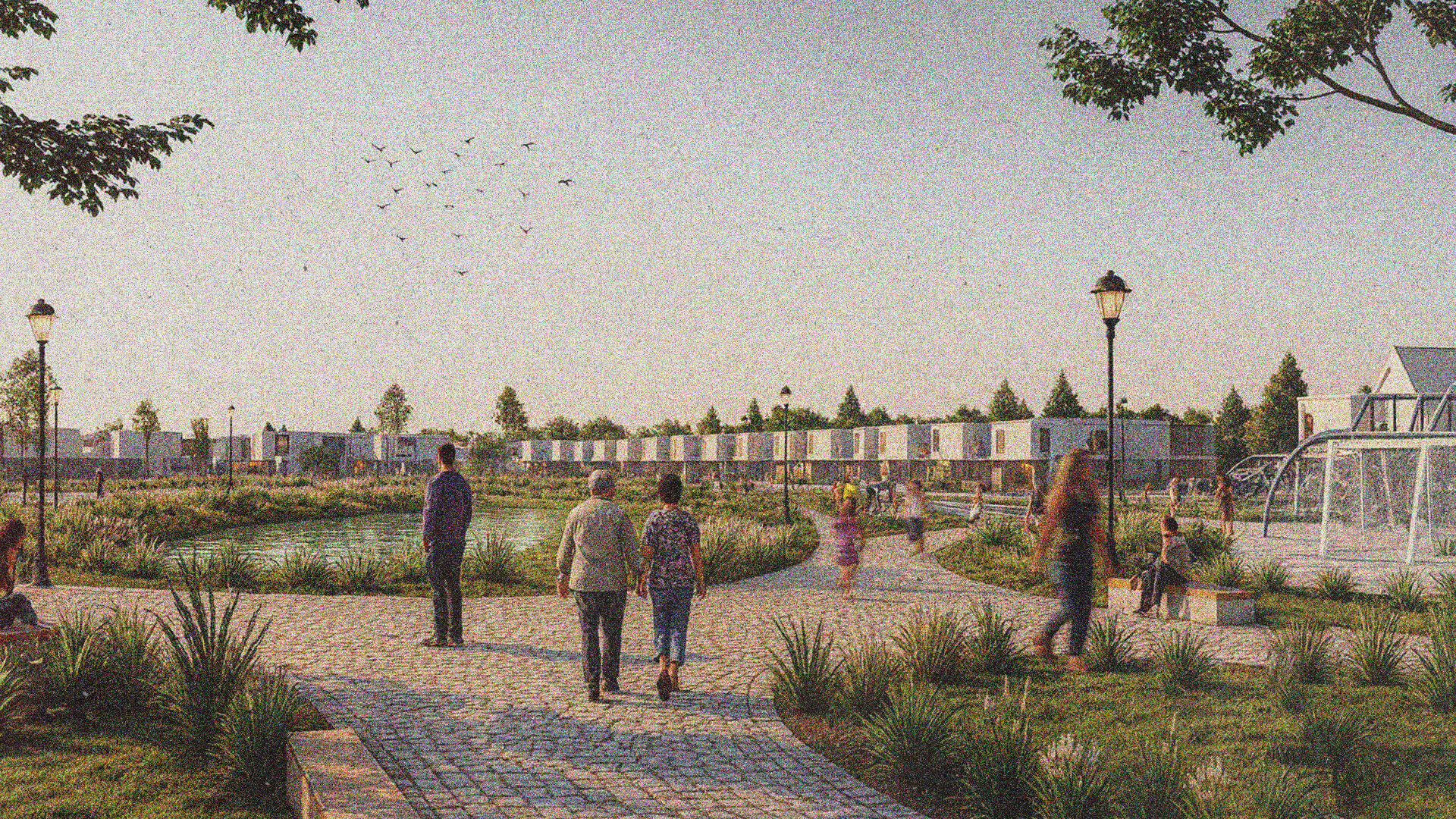
Urbanizing an empty site is one of the most complex challenges in urban development. Building a city from scratch involves the task of reproducing authentic urban conditions in contexts that are still unexplored, while avoiding the repetition of schemes that, although formally coherent, often become inert. Cities are, by nature, complex organisms: layers of economic, social and cultural dynamics that take generations to consolidate. It is precisely this temporal stratification that grants them identity and vitality. In Peru, new formal peri-urban developments tend to adopt repetitive, homogeneous grids that limit their capacity for long-term evolution. In response, the proposal seeks to generate a differentiated urban fabric that prioritizes the hierarchy of streets and public spaces. This differentiation not only improves orientation for residents, but allows each block —and each plot— to face a distinct urban condition, giving them greater character and value. Far from a uniform solution, the project embraces a system capable of adapting and transforming over time, thereby increasing its chances of successful consolidation... READ MORE.. READ MORE The overall layout follows a zoning strategy that combines the guidelines set by the competition brief with a coherent occupation logic for the different Urban Developments (UD). The Prime UD, positioned on the frontage, defines the project’s main image. Behind it, separated by a strip of green areas and public facilities, lies the Conventional UD. Perpendicular to both, and facing the Panamericana Sur highway, the Vacational UD is organized. These three form the group of residential allotments, distinct from the Techo Propio and MiVivienda UDs, which are placed with direct access from the highway... READ MORE One of the masterplan’s key components is the structuring of its road system. Unlike many recent developments that replicate standardized grids interrupted only by a linear park, this proposal introduces a varied and hierarchical network of public spaces: avenues, streets, boulevards, passages, squares and parks weave together to ensure that each plot relates to a specific urban condition. Therefore, even if the plots share similar sizes and proportions, the spatial and environmental diversity creates differential value without reinforcing exclusionary hierarchies. The accessibility strategy also adheres to the brief’s recommendations: a single, hierarchical access is defined for the Prime and Vacational UDs, while the Conventional UD is conceived as a more permeable fabric, internally connected without depending on passage through the Techo Propio or MiVivienda zones. Within this system, the creation of Salaverry Avenue stands out as the project’s structuring axis. Its alignment enables direct access to the different UDs and becomes a key point of orientation and urban life. Its section incorporates commercial uses and public facilities along its edges, as well as larger commercial anchors at its ends, creating an active urban corridor with complementary and adaptable uses. Along this avenue, a network of secondary streets gradually dissolves into smaller lanes, paths and passages, enabling a smooth transition towards increasingly intimate and pedestrian-centred environments. The proposal also includes an ecological structure that crosses the entire development. Following the same logic of differentiation applied to the road network, the system of open spaces is composed of major parks, hard-scaped plazas, boulevards and neighborhood-scale parks strategically distributed throughout. This system not only provides nearby recreational amenities but also acts as a green buffer between the different UDs, linking to the site’s boundary and forming a continuous landscape structure. Whenever technically and administratively viable, the use of water from the Chavimochic Canal is proposed not only for irrigation but also as a landscape and recreational feature, strengthening the project’s ecological identity. The plant palette prioritizes water-efficient and culturally familiar species. Native or adapted trees such as algarrobo, jojoba, molle, huaranguillo and espino are proposed, along with productive species like avocado, grape, goldenberry and blueberry. The intention is to reduce water consumption, promote natural shade and foster a sense of belonging through a recognizable landscape. Finally, regarding housing, flexible modules are proposed to allow for progressive growth. For Techo Propio, a module with an exterior staircase and fixed wet core enables vertical stacking and staged expansion, granting functional autonomy between floors and facilitating progressive self-construction. For MiVivienda, a central core —stair and bathroom— frees up the ends of the plan, enabling different configurations for living areas, bedrooms or small commercial spaces, according to each family’s needs. Thus, the module can function initially as a single-story dwelling and adapt over time to the evolving dynamics of domestic life. |