
| YEAR | 2019 – 2022 |
| LOCATION | Tumbes – Perú |
| TYPOLOGY | Multi-family housing |
| AREA | 1,932.00 M² |
| CLIENT | T. Awe C. Margary O. Moy |
| AUTHORS | 404 ARQUITECTURA |
| TEAM | ISRAEL ASCARRUZ DIEGO HERNÁNDEZ |
| STRUCTURES | Impacta Design & Building |
| ENGINEERING | Moreyra Ingenieros & Asociados |
| CONSTRUCTION | Inmobiliaria Jahuay |
| INTERIORISM | Rebeca Escribens |
| PHOTOGRAPHY | Renzo Rebagliati |
| STATUS | Built |
| RECOGNITIONS | BAP 2022: Honorable mention |
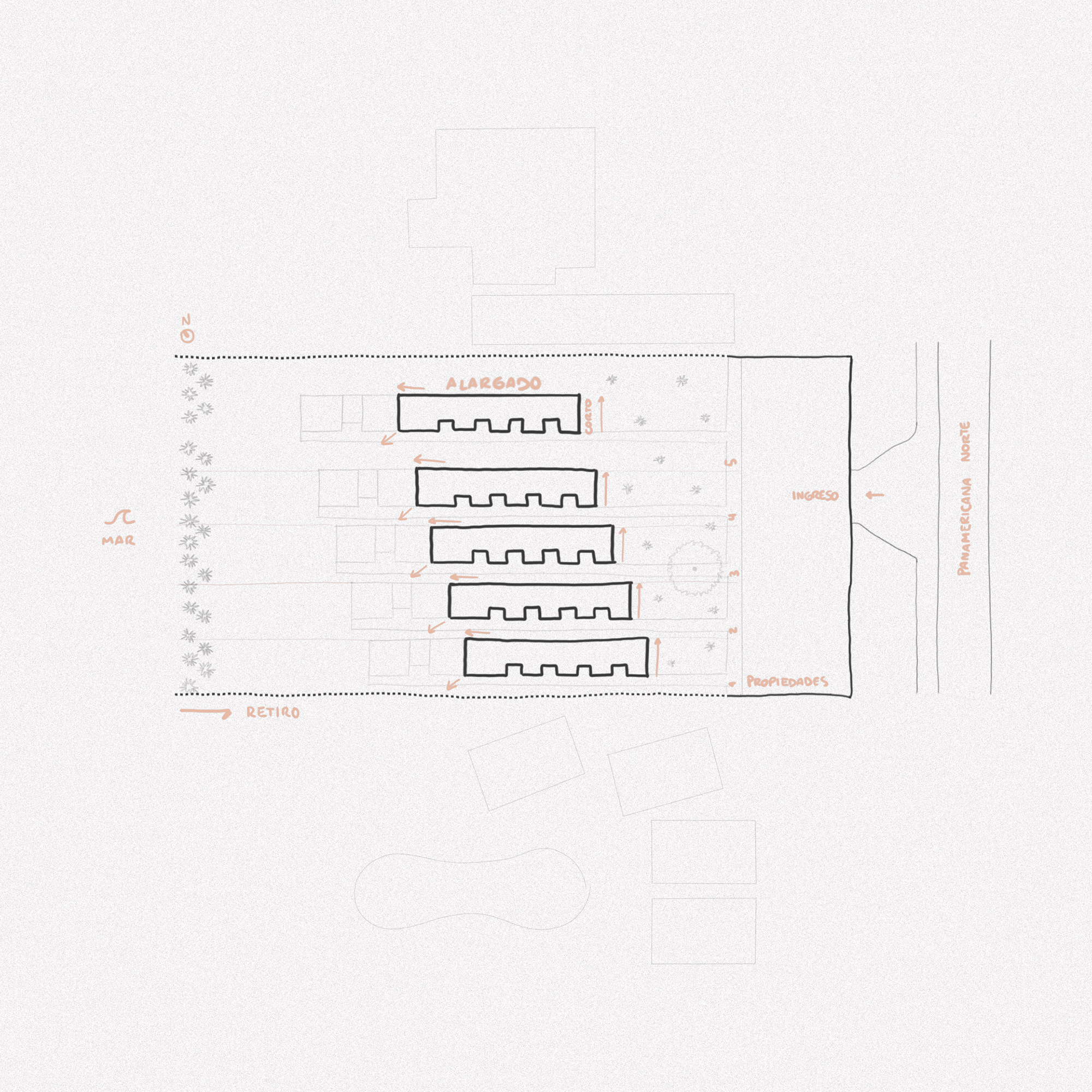
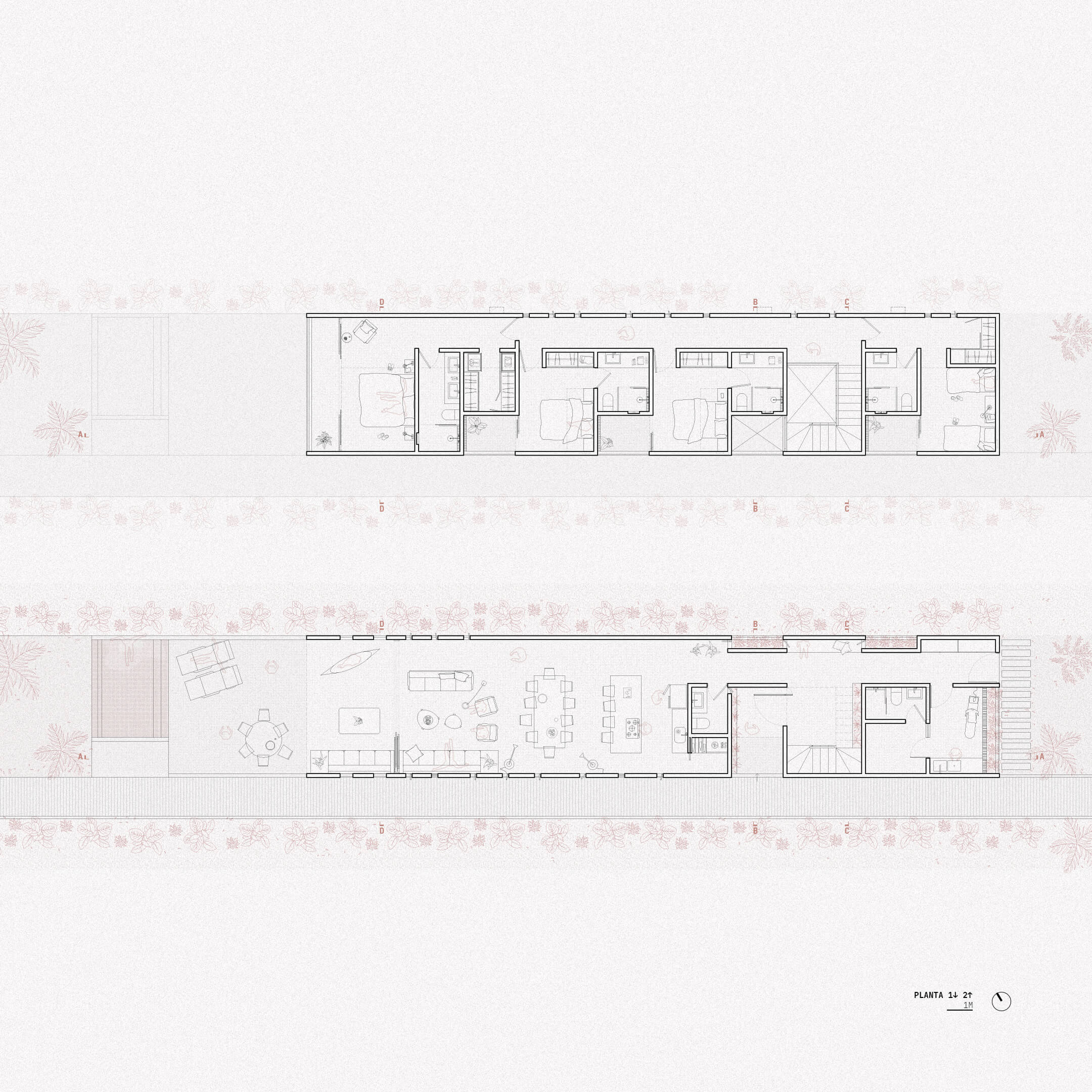
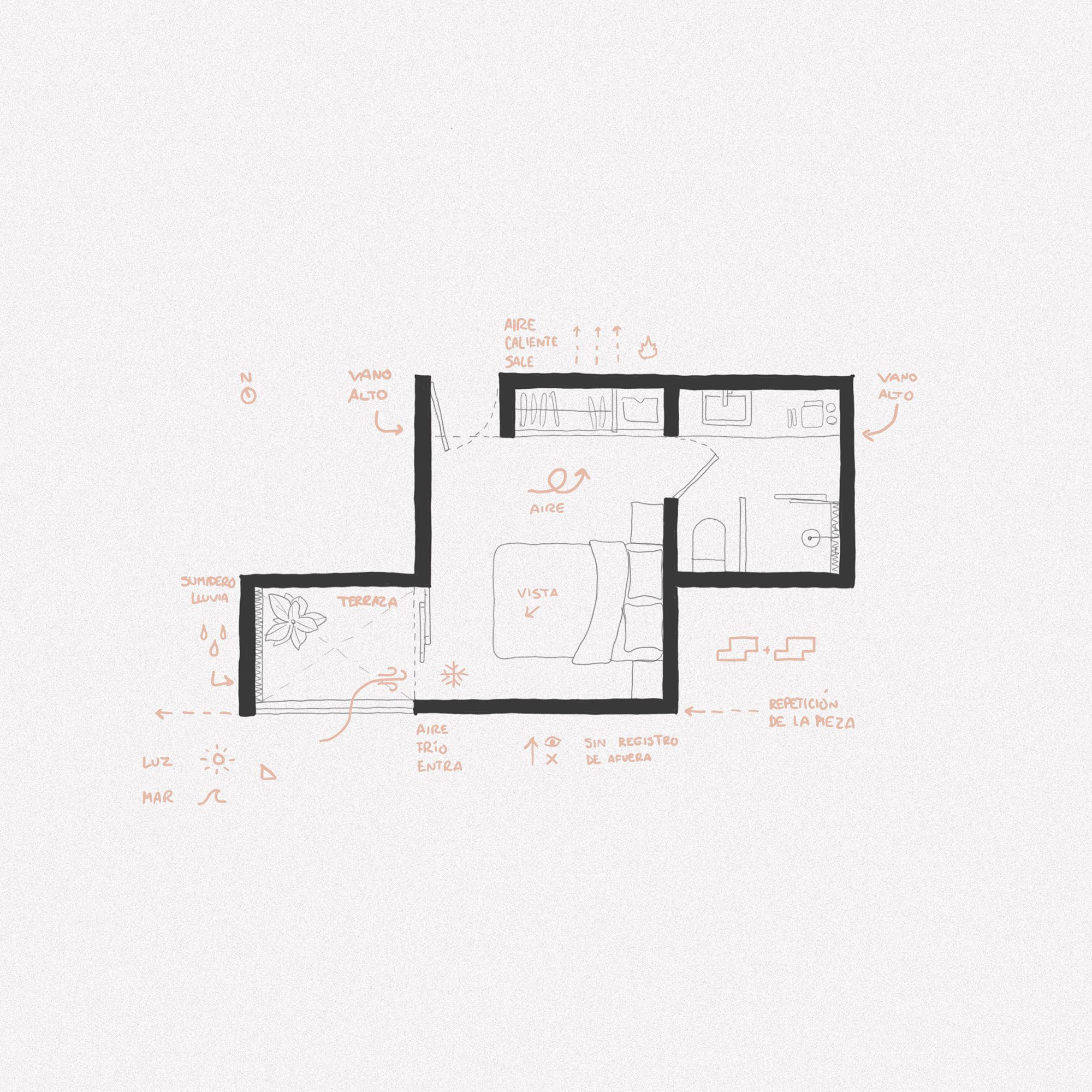
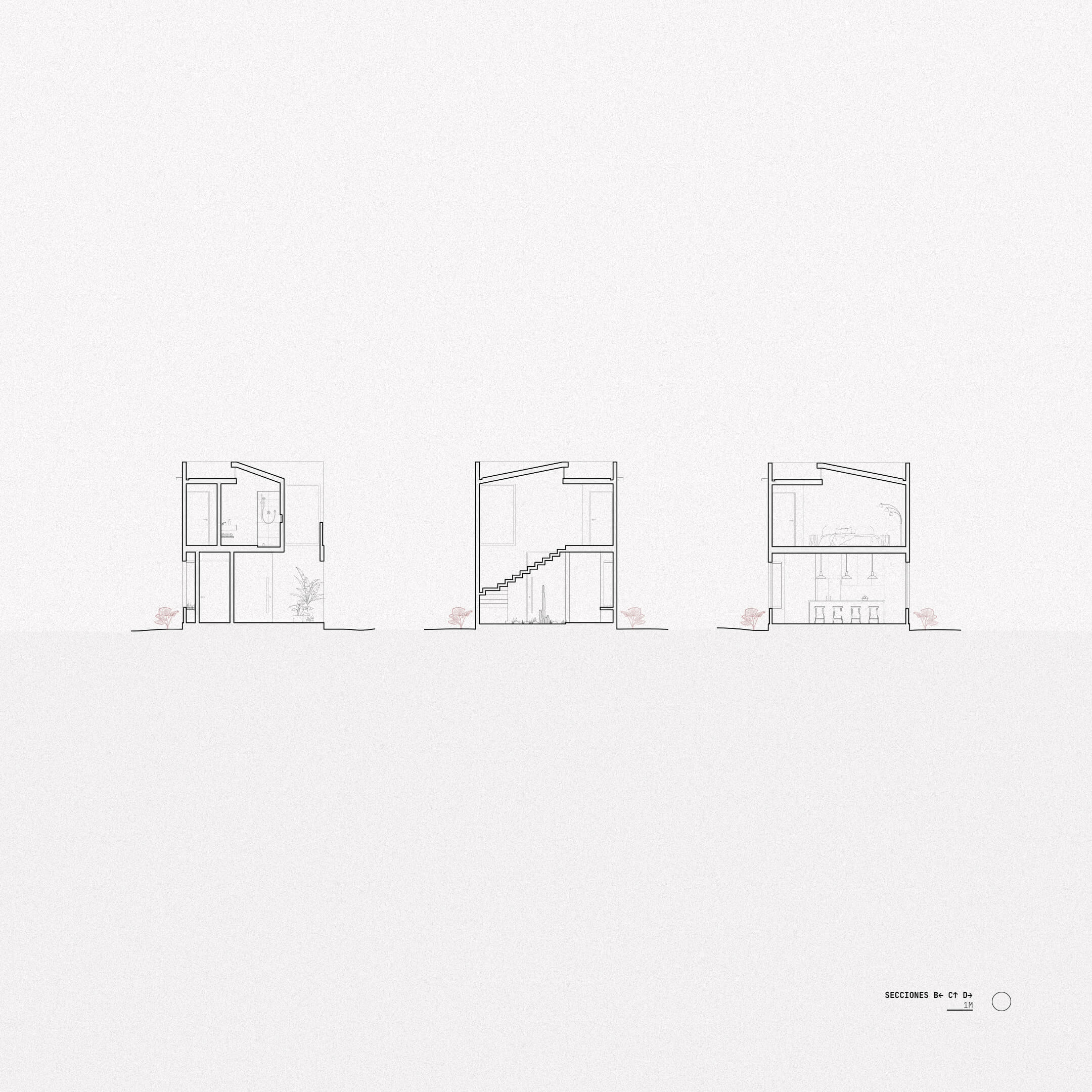
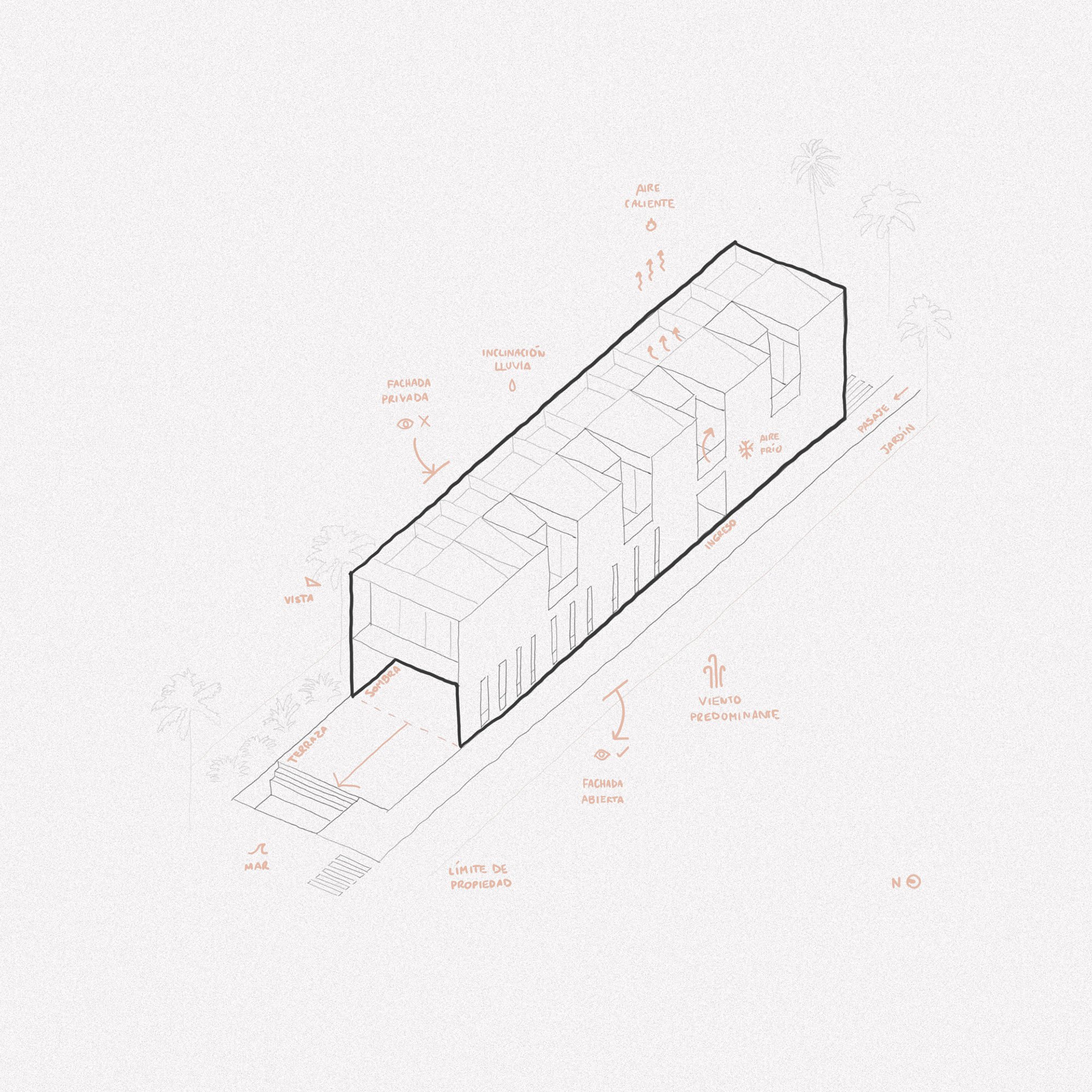
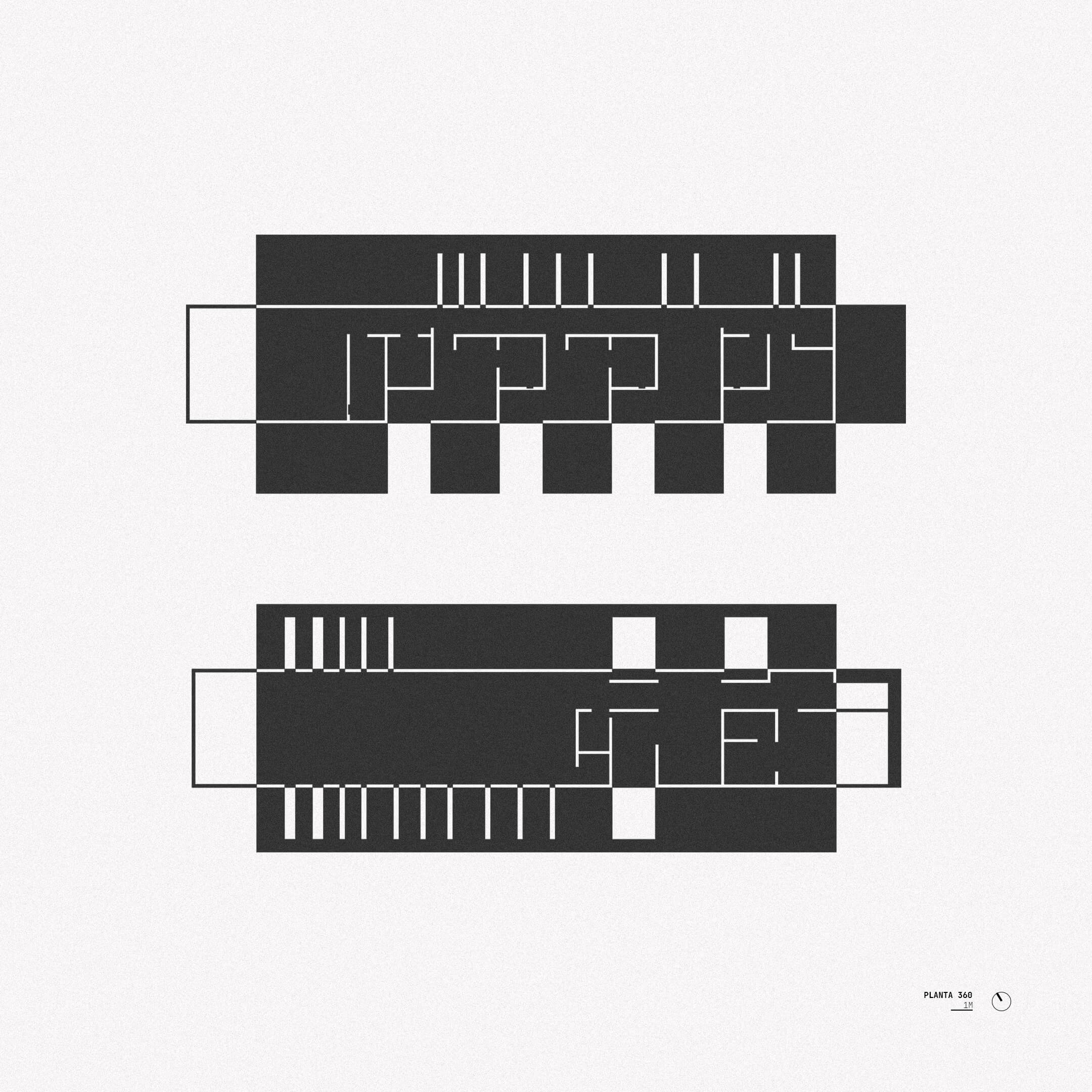
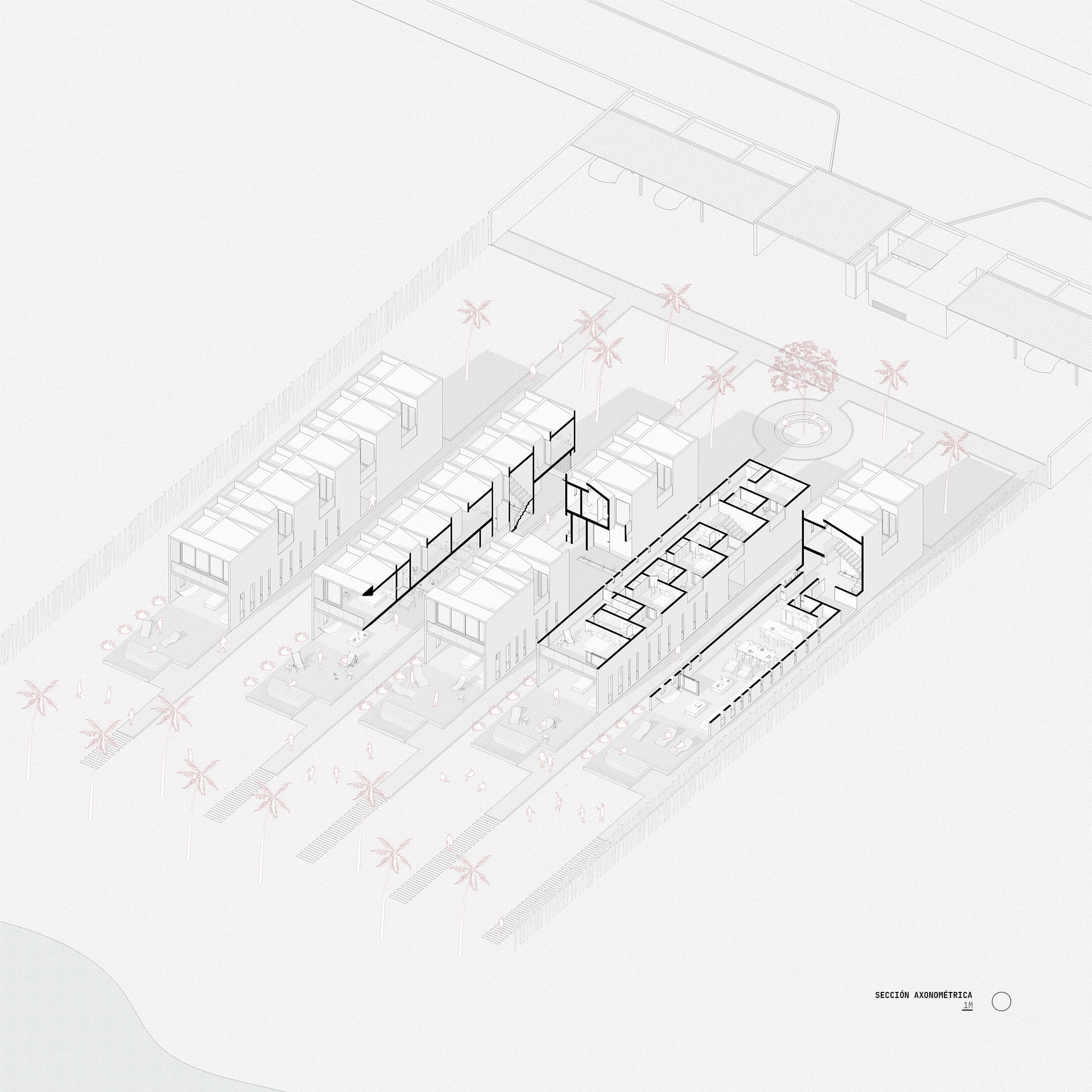
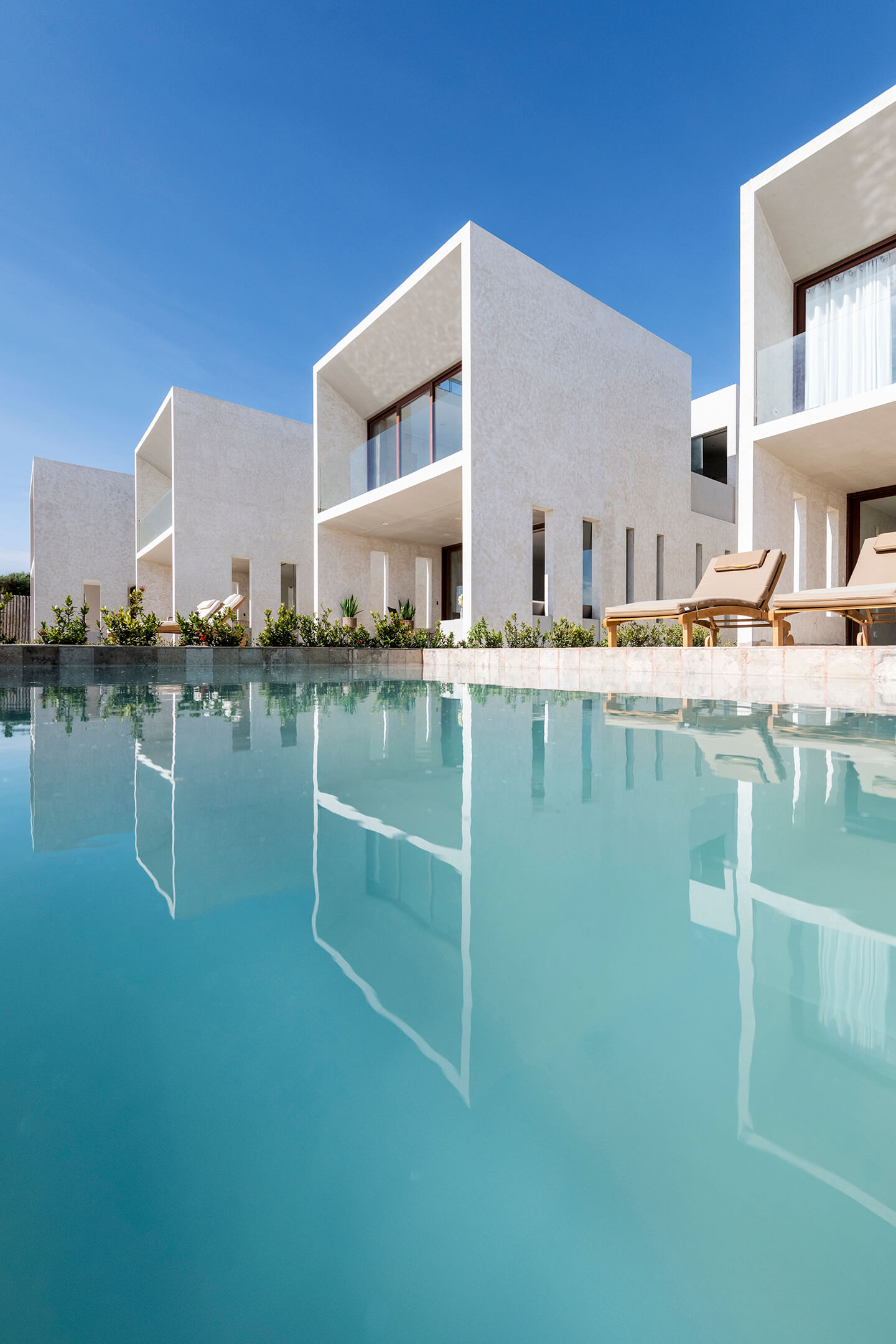
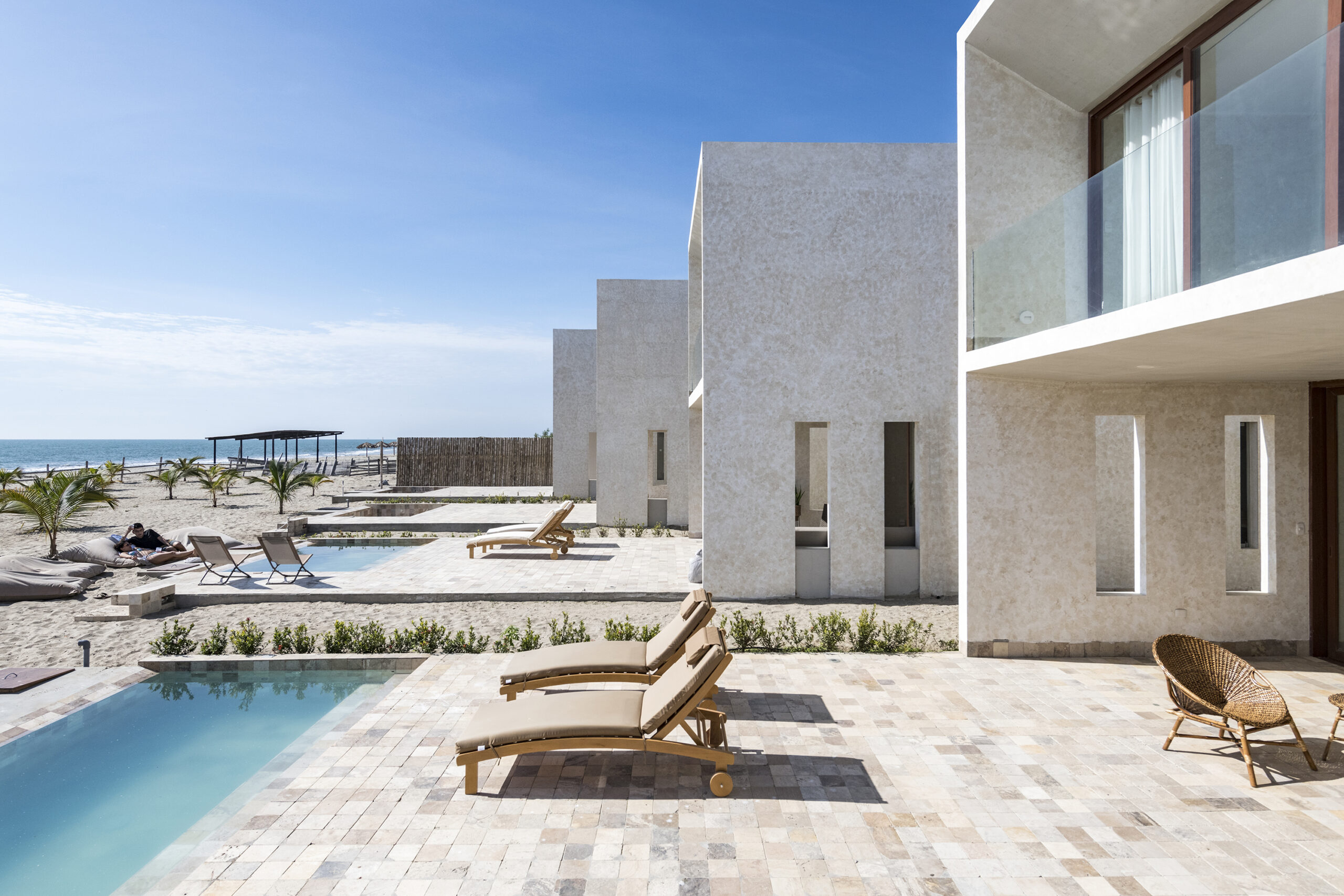
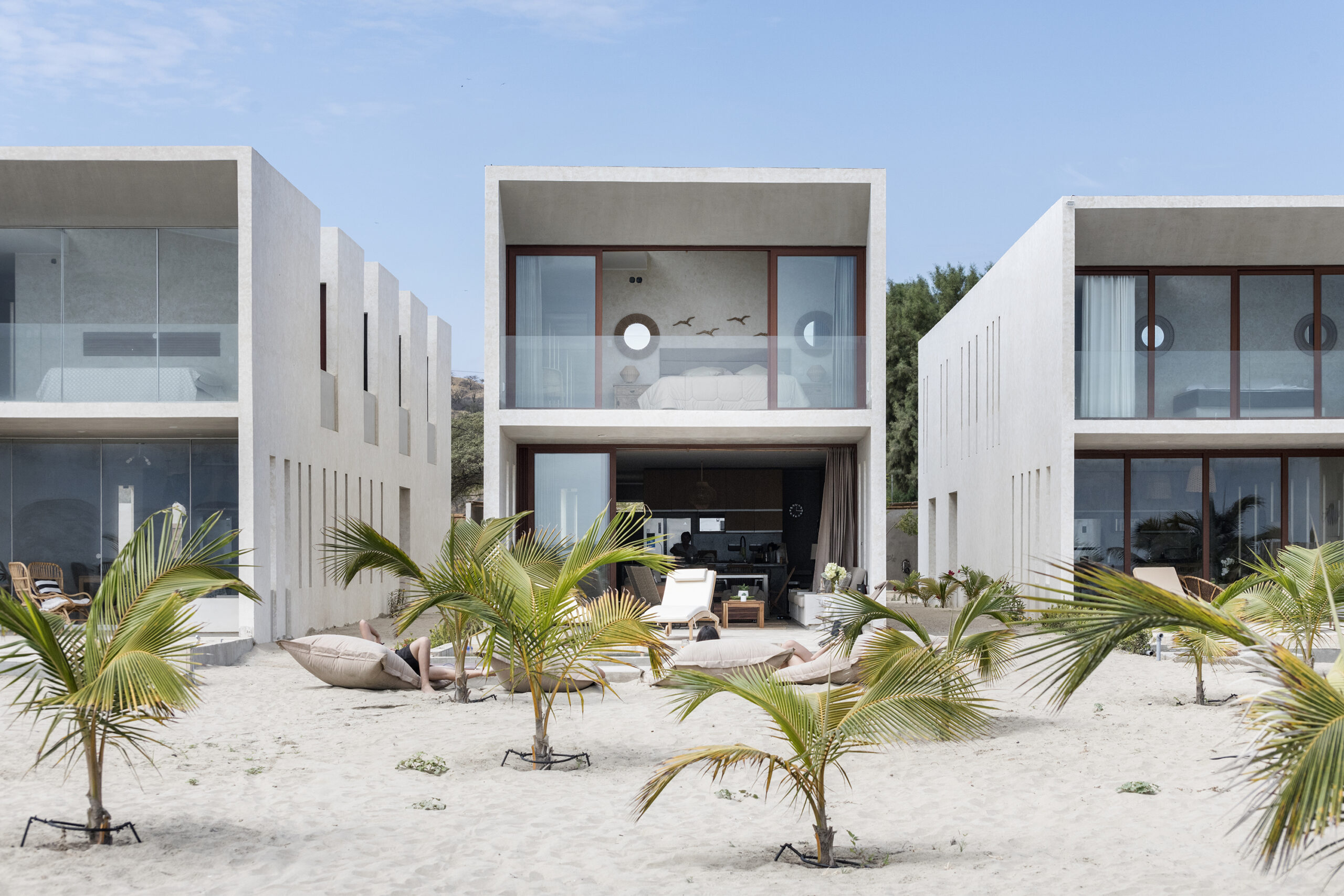
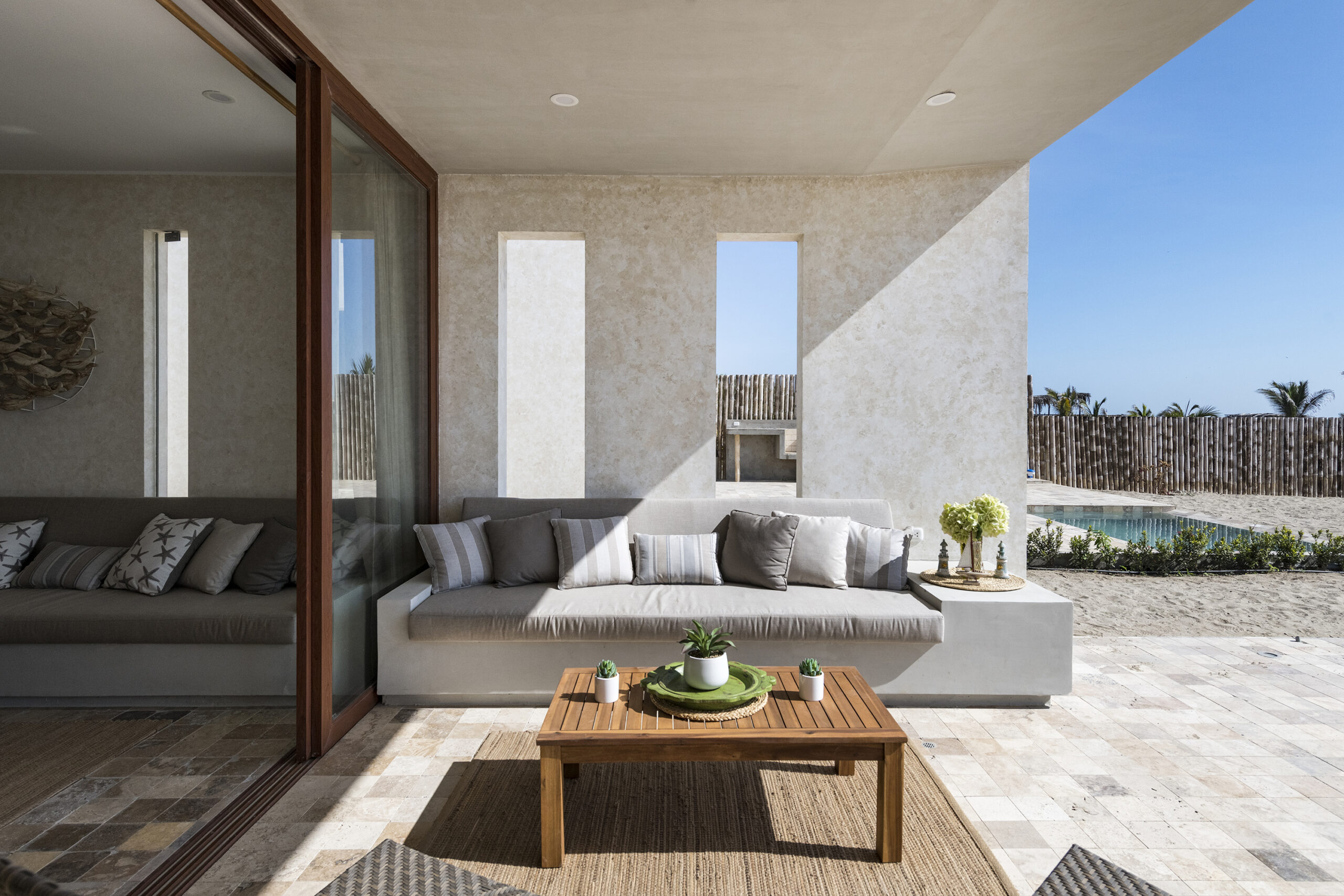
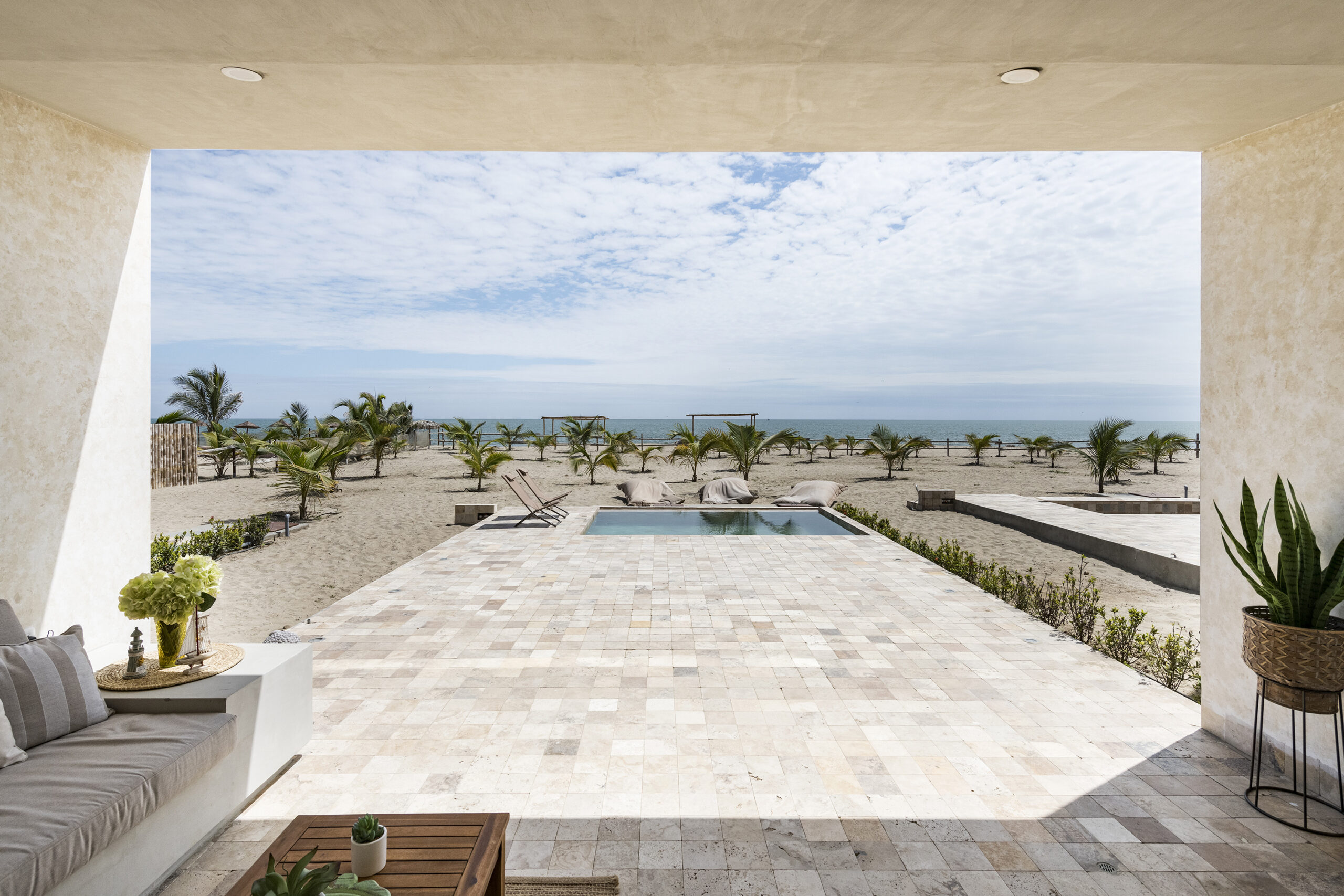
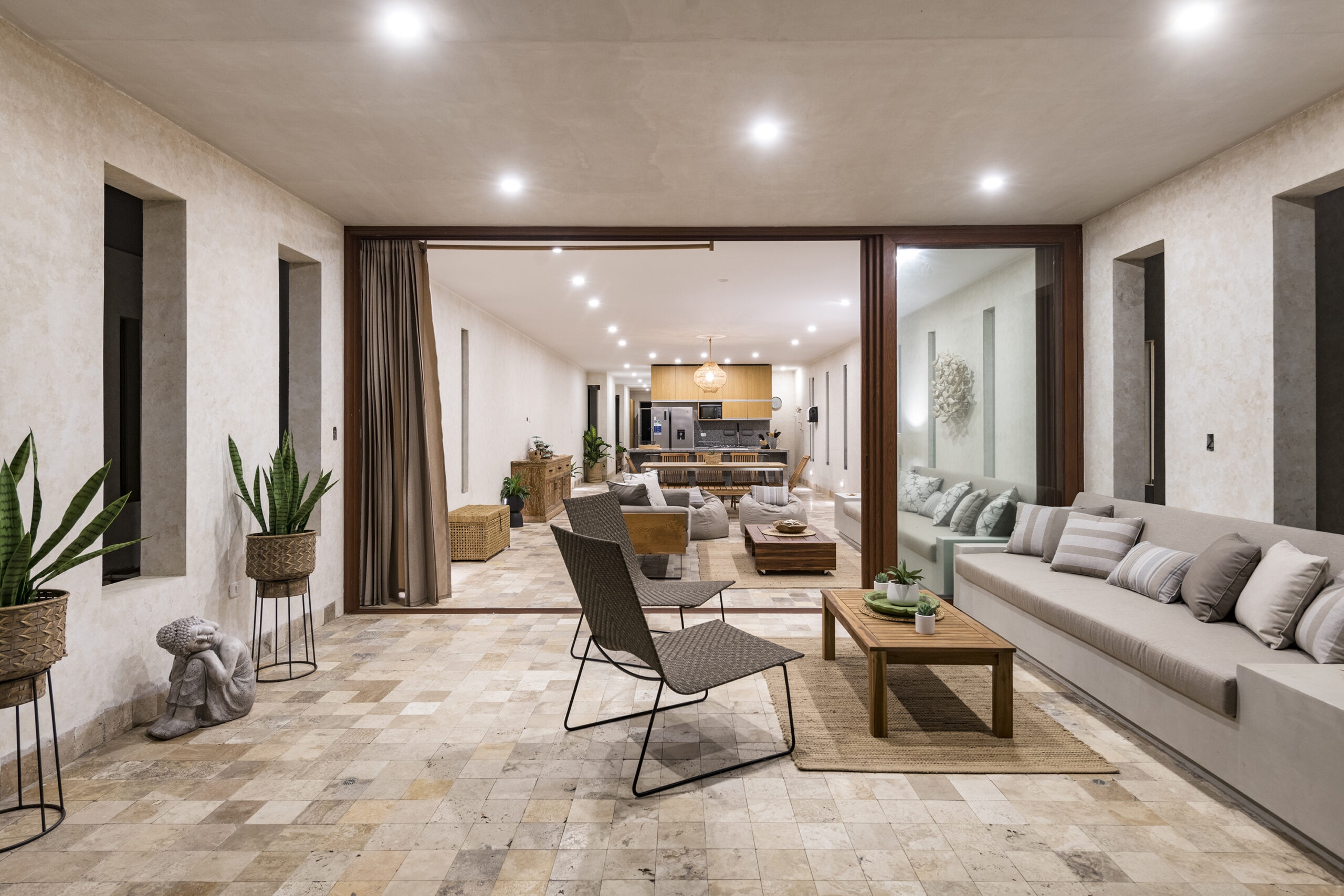
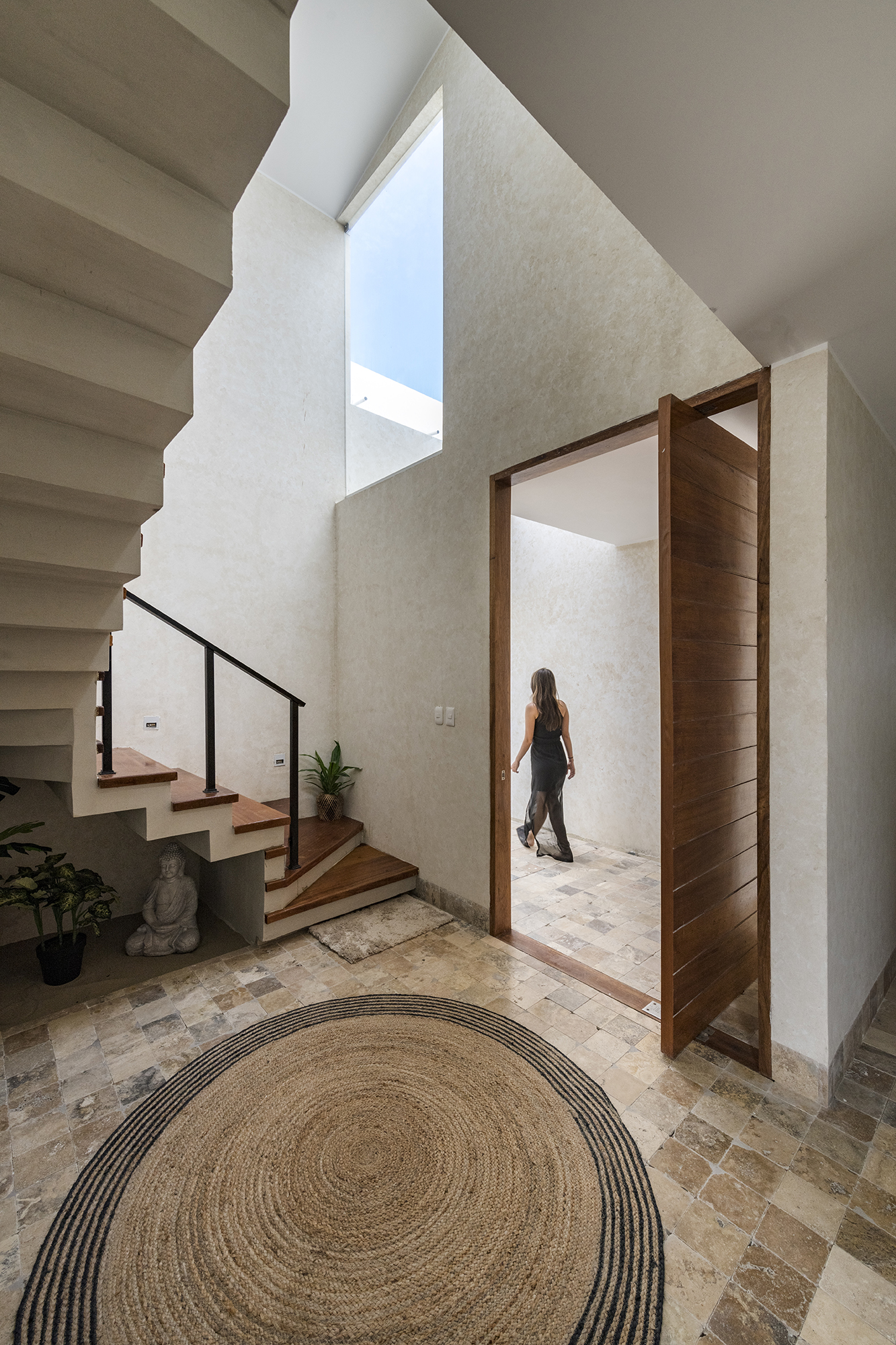
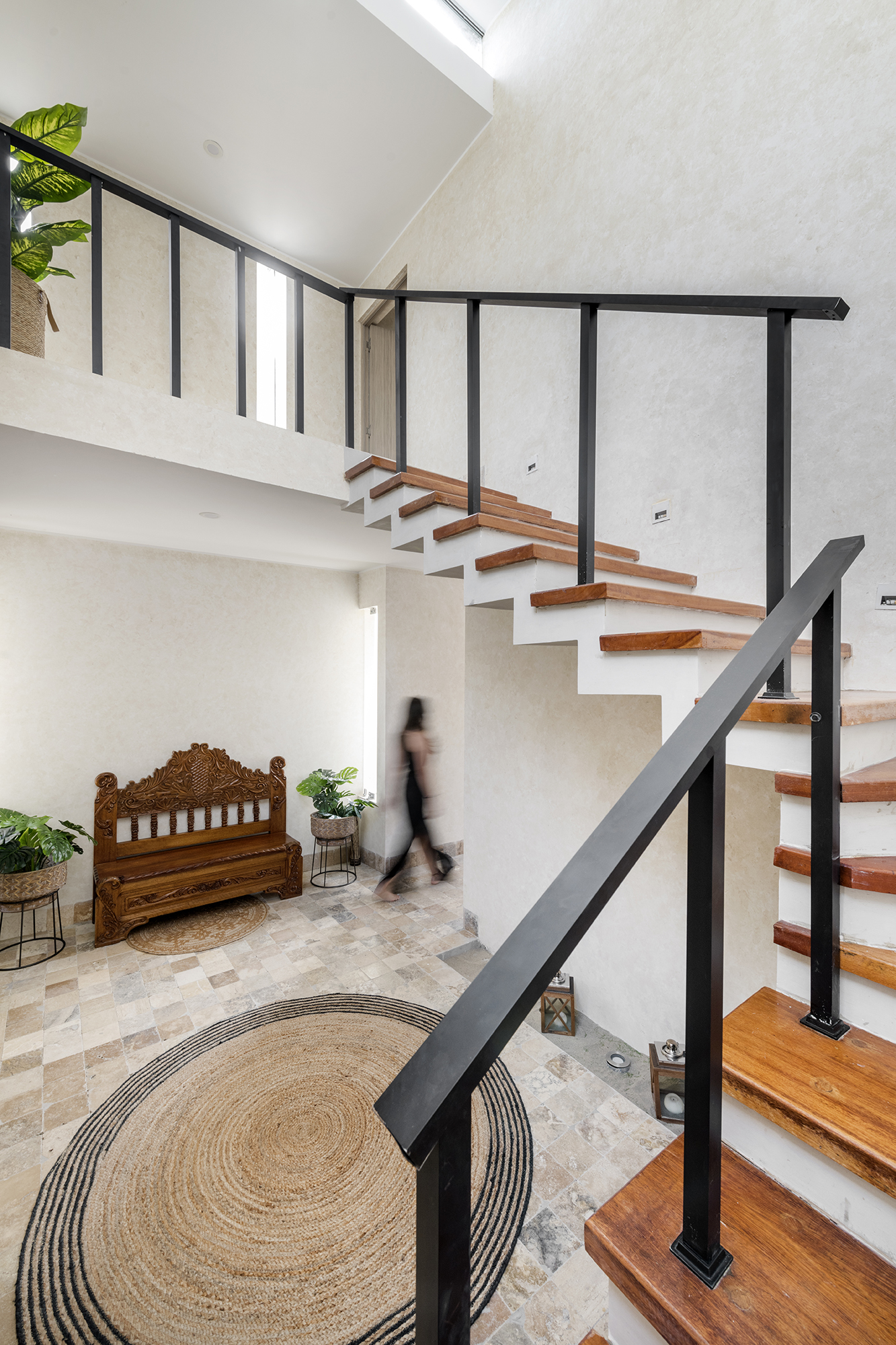
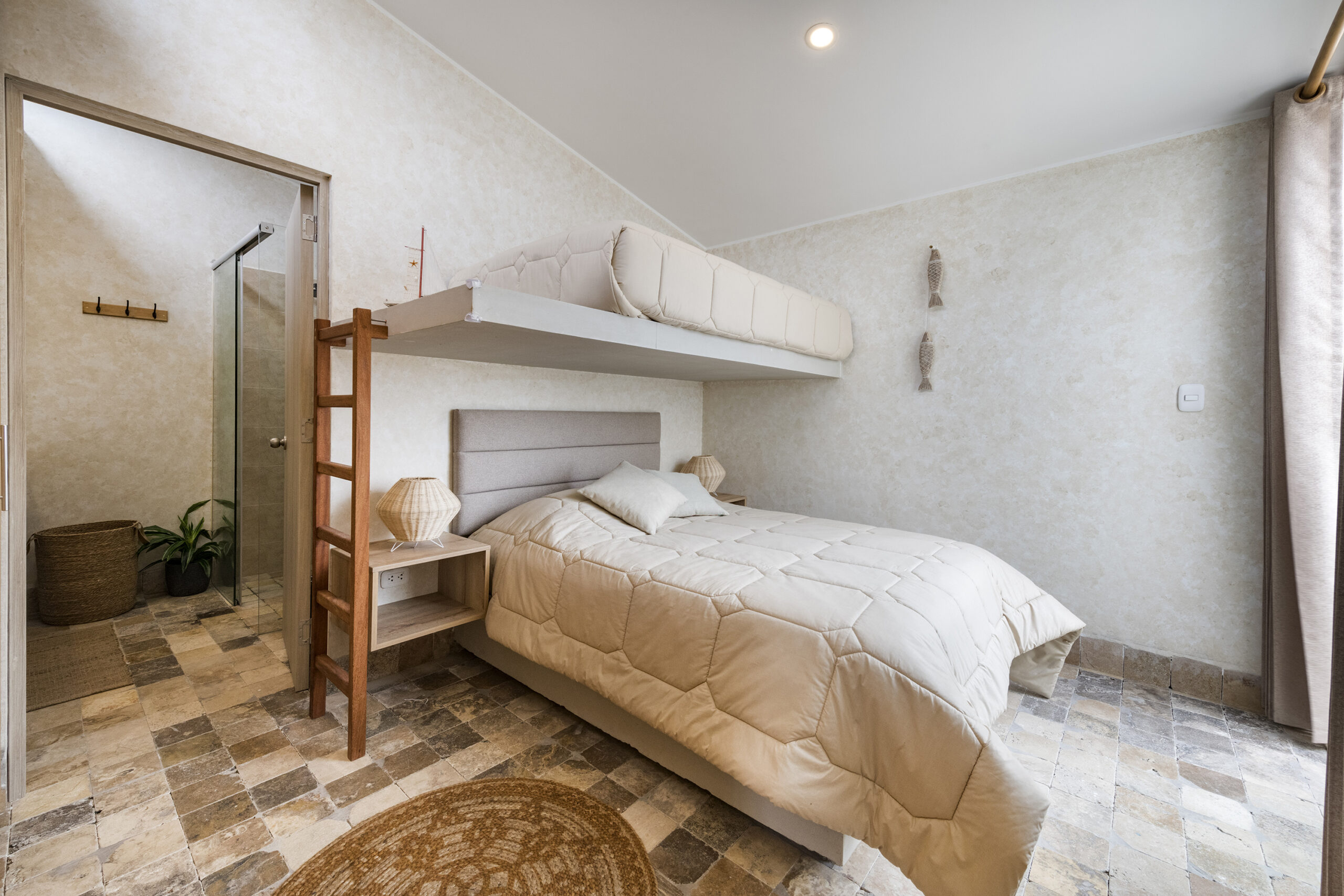
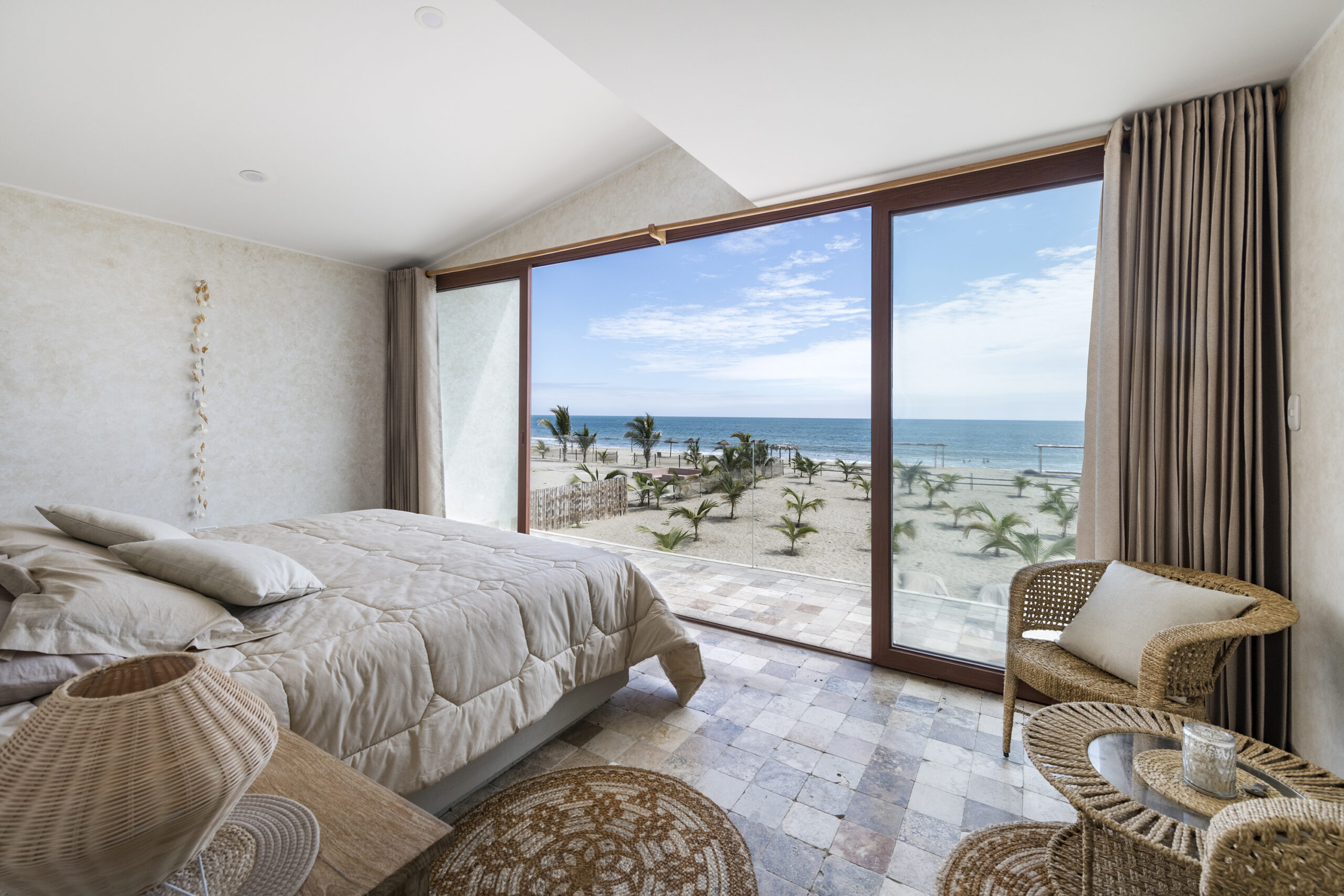
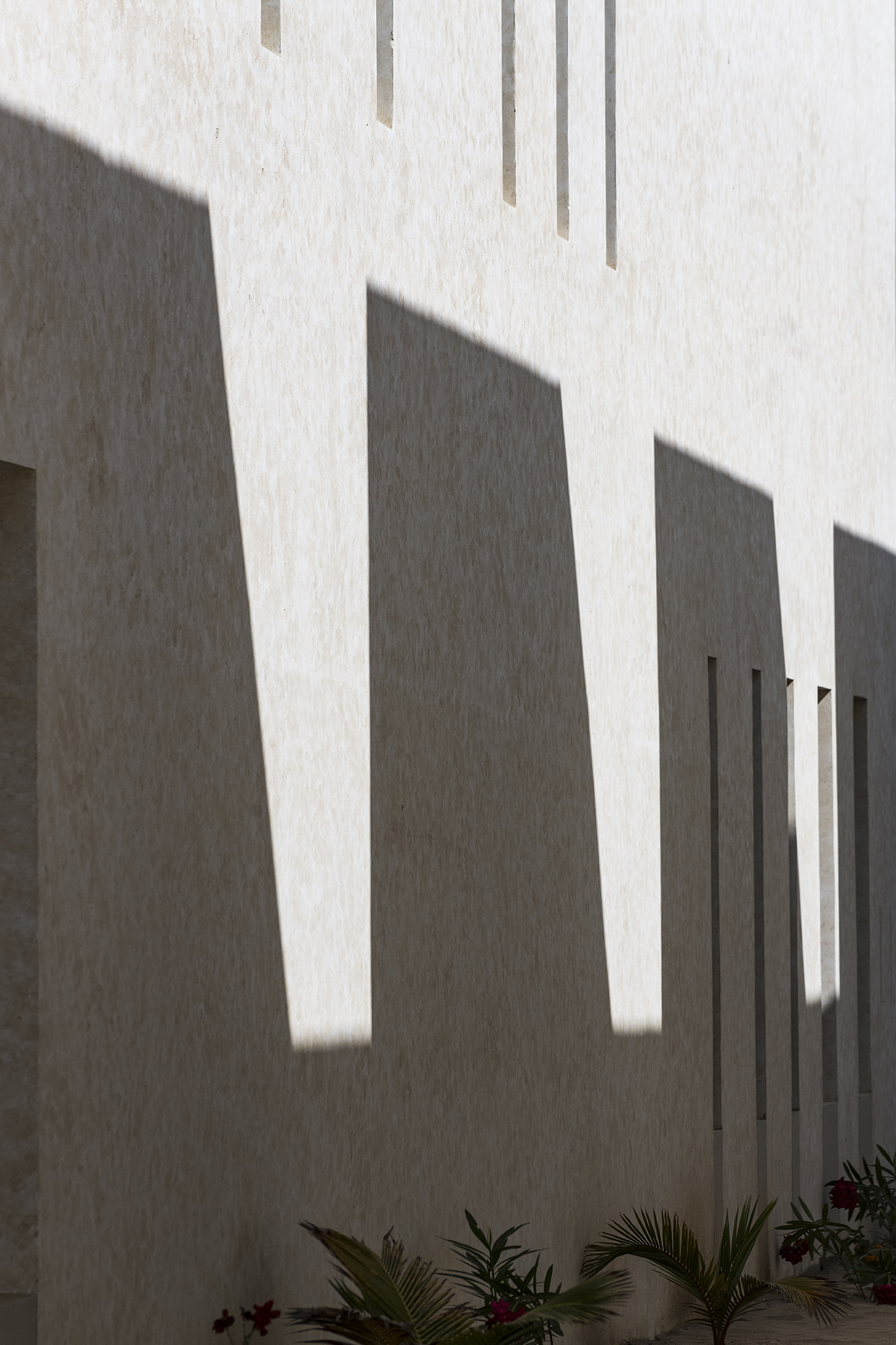
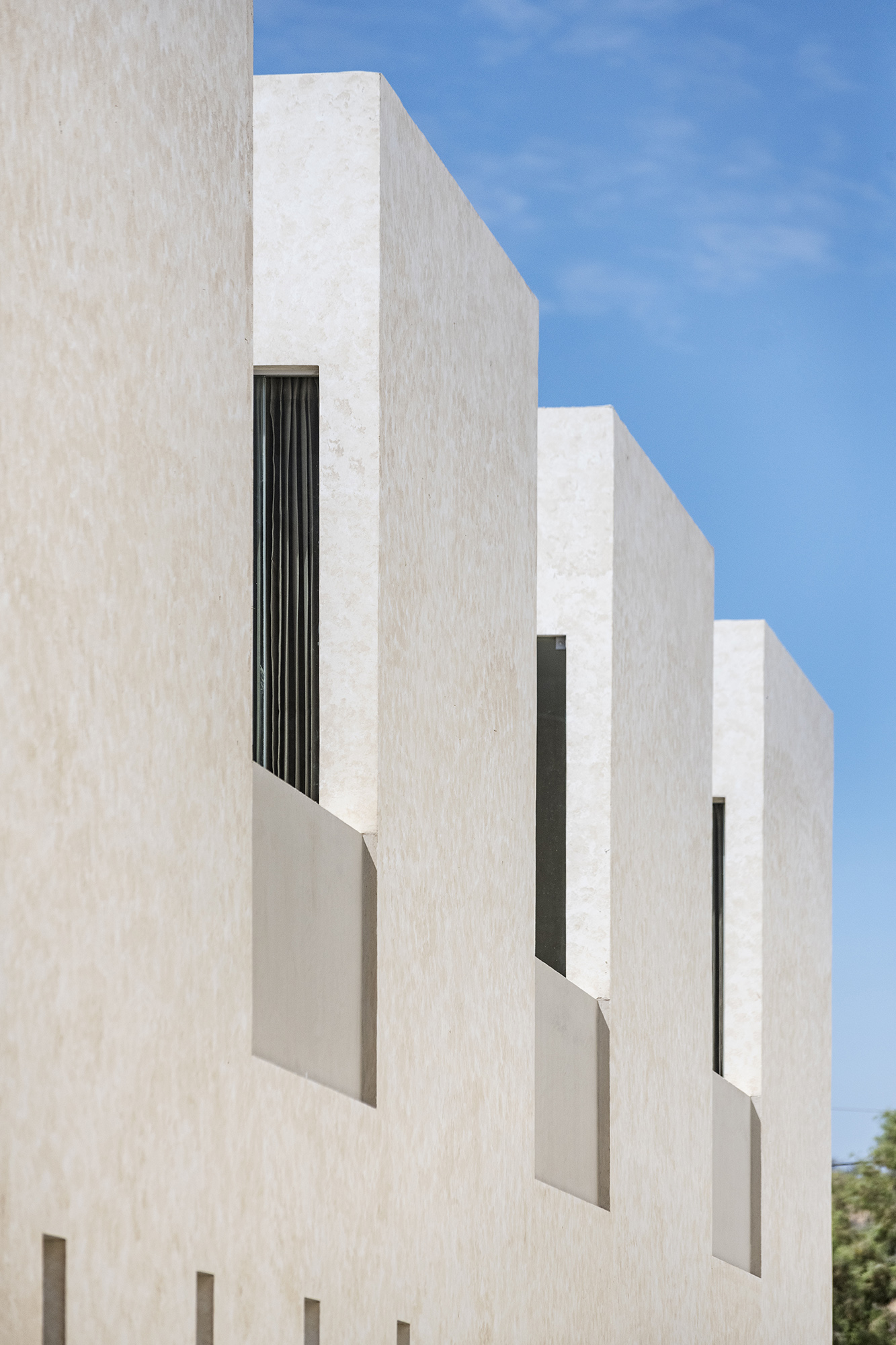
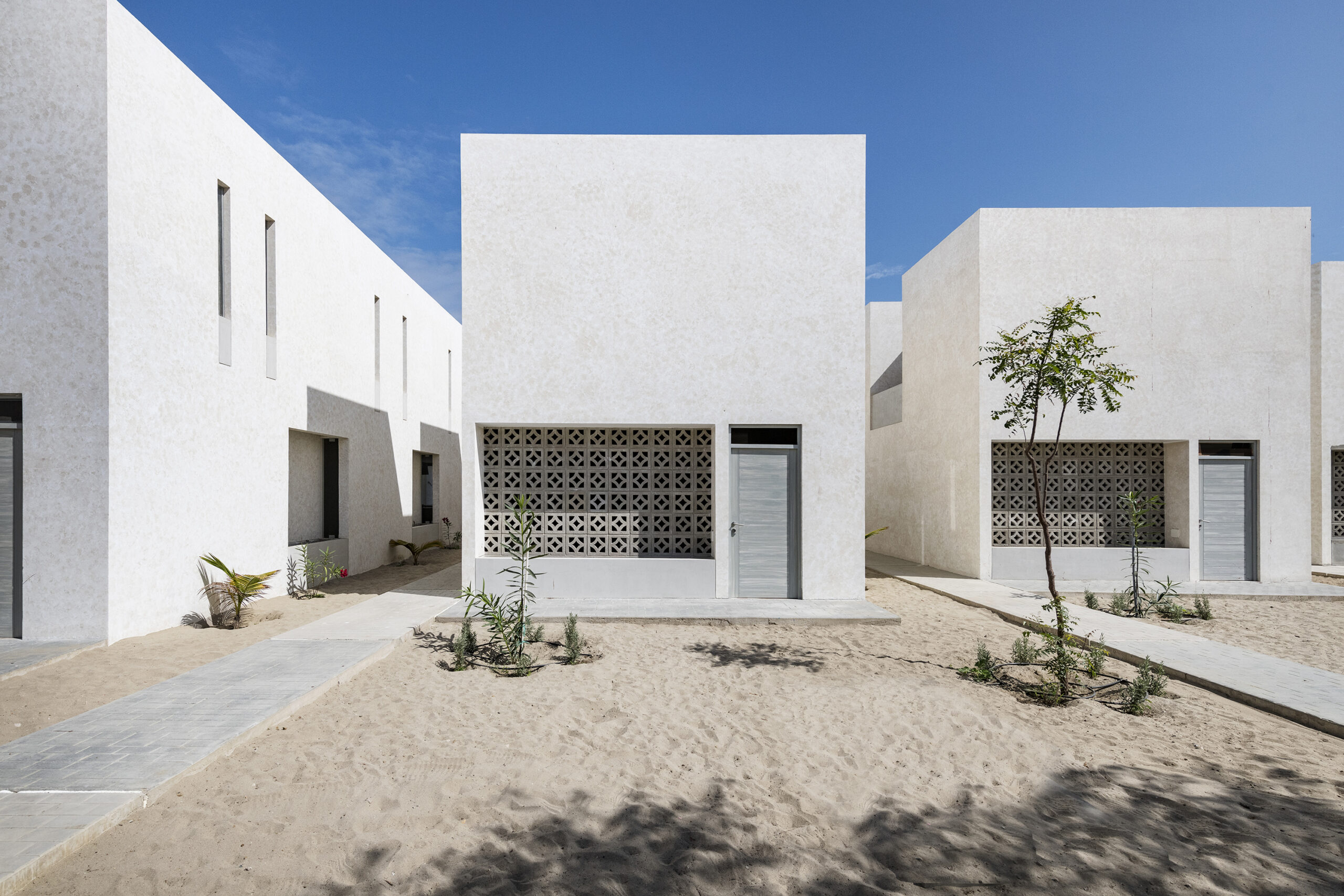
The Casamar housing complex stands on a beach in Zorritos, between the Panamerican North Highway and the Peruvian coast of the Pacific Ocean. The story of this project begins with five friends who decided to acquire a beachfront plot to build a holiday refuge that could alternate between personal use and rental. That dual condition —private and public, individual and collective— defined the premise: to divide the land into five homogeneous parcels, each hosting the same housing unit repeated five times. Thus emerged M1 House: a dwelling that functions independently for each user —owner or tenant— yet finds its full meaning within the ensemble... READ MORE Each sub-lot, narrow and elongated (8 x 100 meters), demanded a longitudinal volume. Privacy between units was essential, so the adjoining and rear façades —north, south, and east— were kept opaque, regulating light and ventilation through slender openings, clerestory illumination, carved balconies, and subtle retractions to widen the viewing angle. The west façade, by contrast, opens transparently towards the sea, allowing uninterrupted views without sacrificing intimacy... READ MORE The house is organized into two complementary levels: above, protected by height, lies the nocturnal and private program; below, the social and public life unfolds continuously towards the landscape; and in between, a double-height vestibule serves as the project’s point of convergence... READ MORE Within this logic, the bedroom —the most intimate piece of the project— needed to open without being exposed. A module was therefore designed that, through an incision on the south façade, incorporates a small internal patio facing the sea, capturing the prevailing south-westerly wind and main view while remaining sheltered from the exterior. Responding to the equatorial climate —marked by high temperatures and occasional torrential rains— the roofs become an environmental strategy: a play of heights and inclinations in the second-level slabs allows clerestory light to enter, encourages cross ventilation, and directs rainwater towards lateral gutters and gargoyles. Finally, by locating the bedrooms to the south and the circulation to the north, overlap between users of adjacent units is kept to a minimum. The repetition of this modular element becomes system, rule, and core of the project’s composition. The structure, in turn, integrates seamlessly with the architecture. Vertical slabs support the entire ensemble and tie together at the top through inverted transverse beams that form double-height portals, between which the second-floor slab rests on shallow beams. Consequently, each wall, plate, slab, and beam is not merely supporting the form: it is the form. To walk through Casamar is to pass through a changing sequence of light, air, and shadow. Each space —both within the unit and across the complex— generates specific qualities that respond to their own constraints to create comfort. Simple and direct, the spaces do not seek to stand out against the landscape; they absorb and frame it to become an extension of it. |







CASAMAR
010-M1


